↓ Scroll ↓
Feb 19, 2026
Discover the 10 best stress relief techniques for profound calm. Explore expert-backed methods from head spa rituals to mindfulness for lasting serenity.
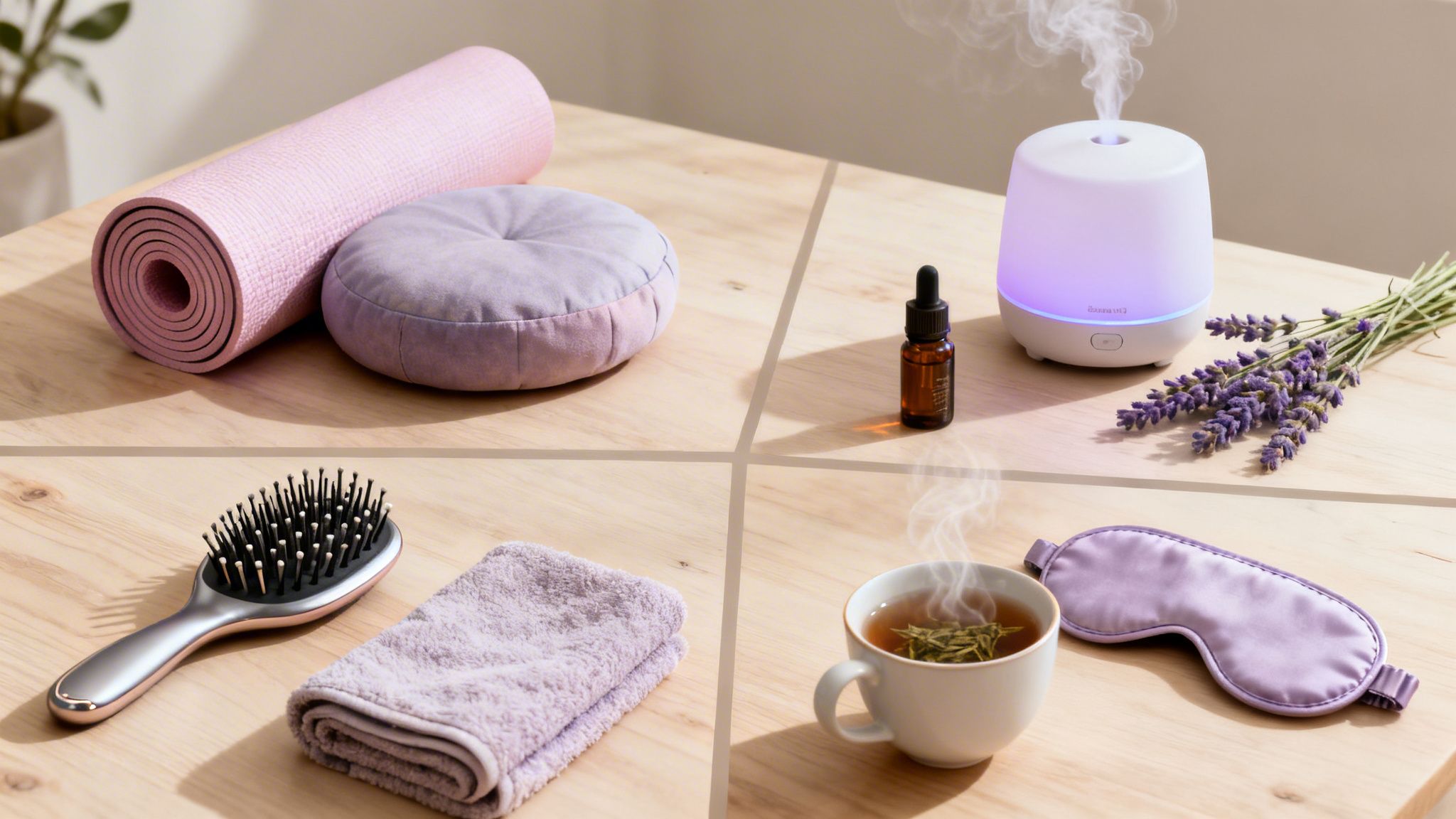
In an era of relentless demands, achieving a state of authentic serenity has become the ultimate luxury. Stress, the silent architect of modern-day burnout, inexorably diminishes our vitality, clarity, and well-being. This definitive guide transcends fleeting remedies, presenting a curated collection of the best stress relief techniques, meticulously selected for the discerning individual. From venerable, evidence-backed rituals to advanced, contemporary therapies, each method is a key to unlocking profound calm and restoring your exquisite inner balance.
We will explore sophisticated strategies designed to integrate seamlessly into your demanding lifestyle, empowering you to reclaim your peace and cultivate a resilient, serene mind. This is not merely a list; it is a bespoke blueprint for mastering the art of deep, restorative relaxation. Within, you will discover a curated selection of the best stress relief techniques that address stress at its very core, including:
The restorative power of a luxurious Head Spa and Scalp Massage.
Mindfulness practices to anchor you in the present moment.
Elegant yet potent Deep Breathing Exercises.
The tension-releasing discipline of Progressive Muscle Relaxation.
Rejuvenating Facial Treatments and intentional skincare rituals.
Prepare to transform your approach to well-being. This article provides the specific, actionable steps needed to move from simply managing daily pressures to building a foundation of enduring serenity. Your journey to a calmer, more centered self begins now.
1. Head Spa and Scalp Massage Therapy
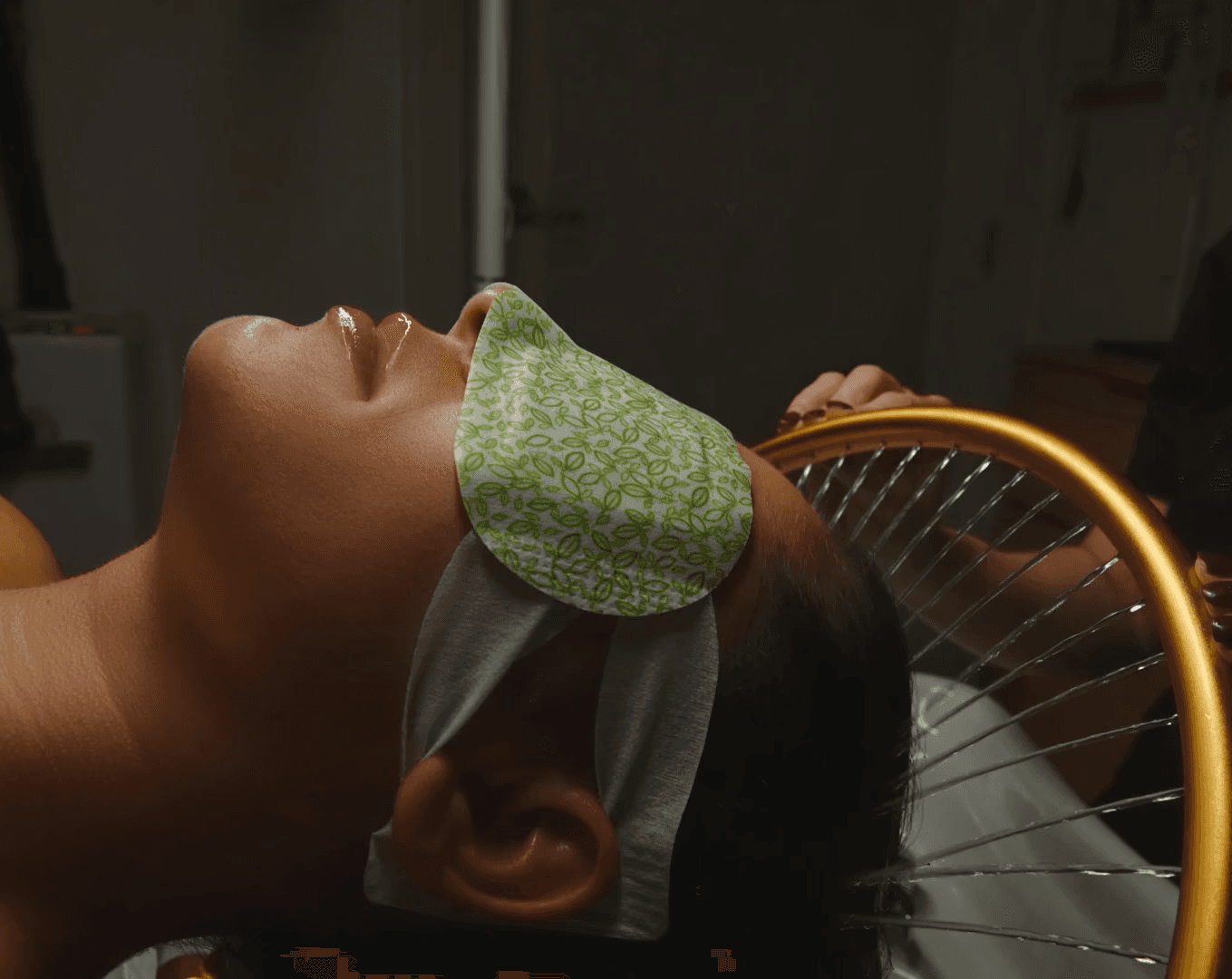
Originating from meticulous Japanese spa culture, head spa therapy is a bespoke treatment that stands as one of the best stress relief techniques for its direct approach to tension. It harmonizes a deep, methodical scalp massage with specialized cleansing and gentle manipulation, targeting pressure points across the scalp, neck, and shoulders. This sophisticated process is designed to release accumulated physical stress, enhance circulation, and, most importantly, activate the parasympathetic nervous system, which guides your body into a state of profound rest and recovery.
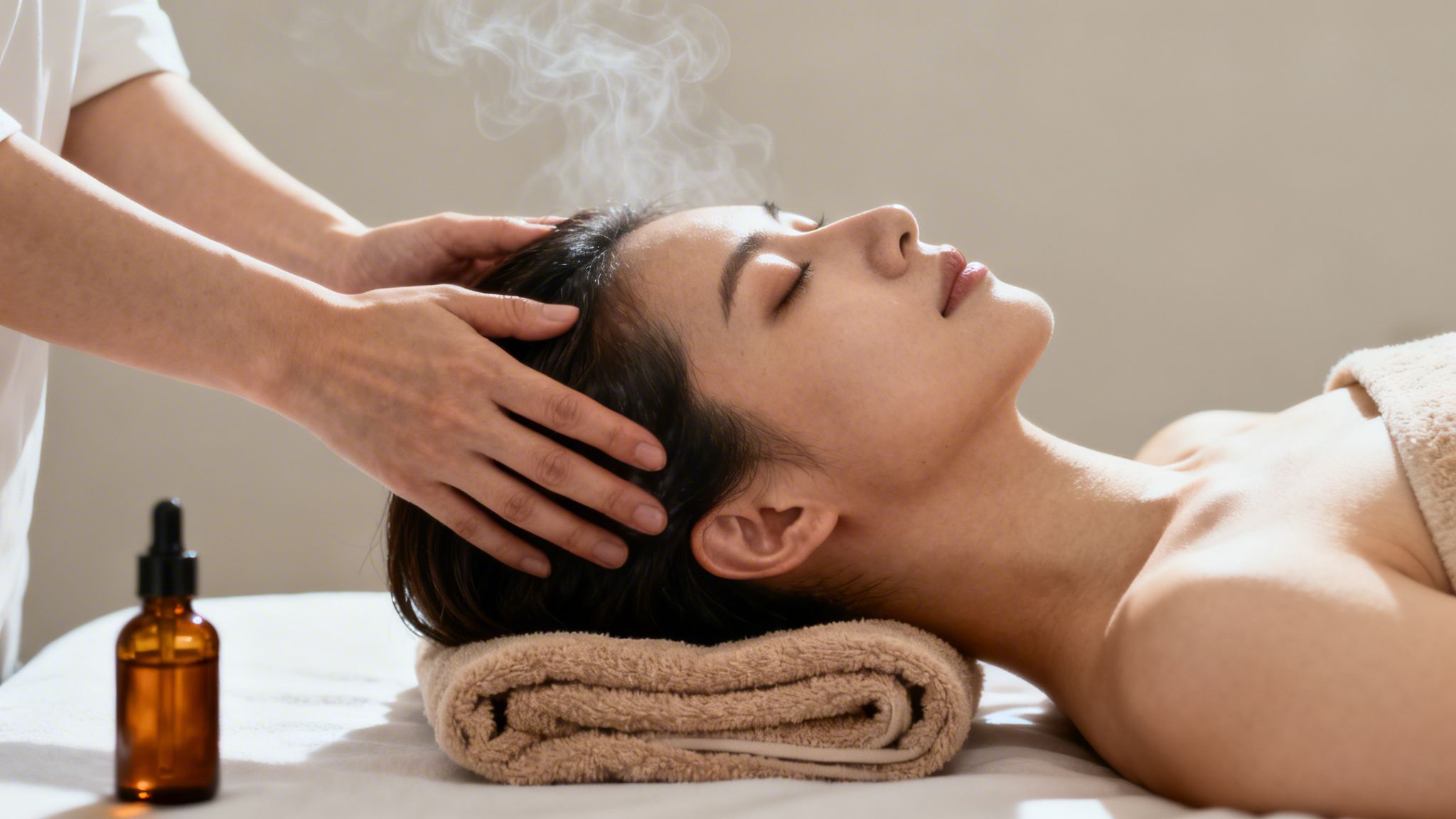
This luxurious treatment is not a fleeting indulgence; it offers sustained benefits for both mind and body. The focused massage works to alleviate tension headaches and mental fatigue, while premium products, like those from Arete and Oway, lavishly nourish the scalp and hair follicles. This dual benefit of immediate relaxation and long-term scalp wellness makes it a powerful self-care ritual and one of the best stress relief techniques for a holistic reset.
When to Book a Head Spa Session
This therapy is particularly efficacious during periods of high mental load or when you notice physical manifestations of stress, such as a tight jaw, neck stiffness, or frequent headaches. It is also an exquisite preventative measure, helping to manage stress levels before they become overwhelming. Premier wellness destinations like Unwind Head Spa in Naples offer curated experiences that address these exact needs.
How to Maximize Your Experience
To derive the utmost from your session, consider these practical recommendations:
Schedule Strategically: Reserve your appointment during a high-stress week or as a monthly maintenance ritual to consistently manage tension.
Communicate with Precision: Inform your therapist about specific areas of tightness in your neck, shoulders, or scalp before the treatment commences.
Prepare Your Body: Avoid a substantial meal right before your session to ensure your body can fully enter a state of relaxation without digestive distractions.
Extend the Benefits: To allow the nourishing oils and serums to fully penetrate, wait at least 24 hours before your next shampoo.
The growing prominence of this service in corporate wellness programs and premier spas worldwide confirms its effectiveness as one of the best stress relief techniques. By directly addressing the physical storage points of mental strain, a head spa offers a uniquely direct path to tranquility. You can discover more about how a targeted head massage for stress relief can make a significant difference in your wellness routine.
2. Mindfulness and Meditation
Mindfulness is the refined practice of anchoring your awareness in the present moment, observing your thoughts and feelings without judgment. Meditation is a structured discipline that trains the mind for focus and calm, establishing it as one of the most scientifically-validated best stress relief techniques. These practices function by rewiring the brain’s response to stress, lowering cortisol levels, and reducing blood pressure. By detaching from the chaotic mental chatter that fuels anxiety, you cultivate a sanctuary of inner peace.
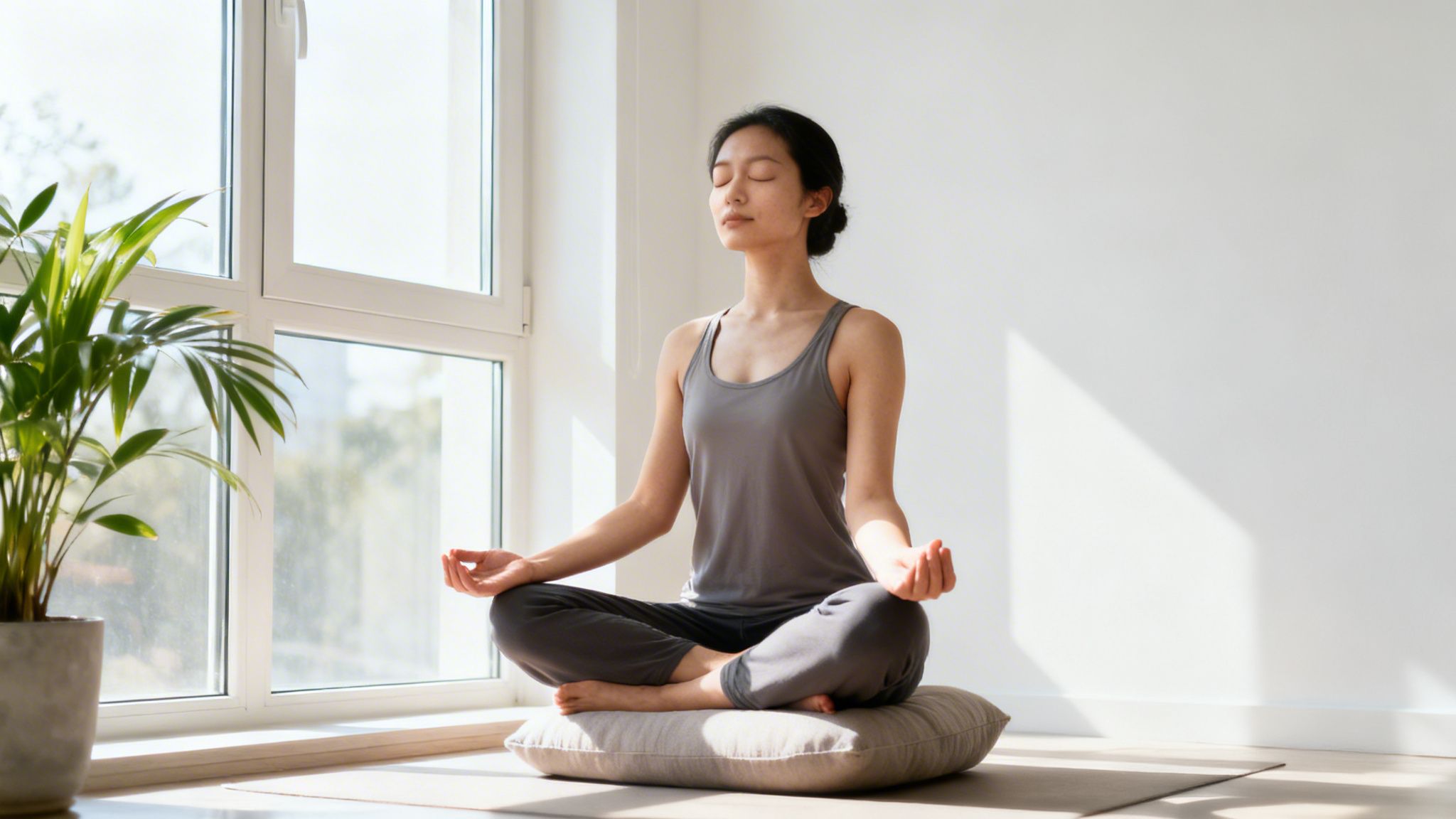
This potent mental discipline has been successfully integrated into high-pressure environments, from Mindfulness-Based Stress Reduction (MBSR) programs in hospitals to dedicated meditation sanctuaries at Fortune 500 companies. Its benefits are not merely for crisis management; they provide a foundation for sustained mental clarity and emotional regulation. When combined with other sensory relaxation methods, like a luxury head spa treatment, the effects are profoundly amplified, creating a complete mind-body reset.
When to Practice Mindfulness and Meditation
These techniques are ideal for daily use to build mental resilience, but they are especially beneficial when you feel overwhelmed by racing thoughts or external pressures. Commencing your day with meditation can set a serene tone, while a brief mindful moment in the afternoon can prevent burnout. It is a vital tool for those in high-stress roles, offering a method to decompress and maintain emotional equilibrium. To explore tailored approaches, discover the strategies on stress management for caregivers.
How to Maximize Your Experience
To cultivate a meaningful practice, focus on consistency and creating an optimal environment:
Begin with Brevity: Start with just five minutes a day to build a sustainable habit before gradually increasing the duration.
Establish a Ritual: Practice at the same time each day, such as first thing in the morning, to signal to your body it’s time to find calm.
Utilize Guided Resources: Premier apps like Calm, Headspace, and Insight Timer provide structured sessions perfect for beginners.
Focus on Your Breath: A simple box breathing exercise (inhale for 4, hold for 4, exhale for 4, hold for 4) is an excellent starting point.
Designate a Sanctuary: Find a quiet, comfortable space where you will not be disturbed to deepen your focus and relaxation.
3. Deep Breathing Exercises
As one of the most accessible and best stress relief techniques, deep breathing exercises offer a direct conduit to your body's relaxation response. This powerful practice involves deliberate, controlled breaths to activate the parasympathetic nervous system, effectively counteracting the "fight or flight" stress reaction. Techniques like diaphragmatic, box, and 4-7-8 breathing initiate immediate physiological shifts that calm the mind, lower heart rate, and reduce blood pressure within mere minutes.
The immediate efficacy of this method is why it's a foundational practice in high-stakes environments, taught by clinical psychologists for anxiety reduction and utilized by elite athletes to manage pre-competition nerves. It requires no special equipment or location, making it a profoundly effective tool for managing acute stress. By focusing on the physical sensation of your breath, you anchor yourself in the present moment, interrupting the cycle of anxious thoughts and restoring a sense of control. This is why it is consistently ranked among the best stress relief techniques.
When to Practice Deep Breathing
Deep breathing is most potent during moments of acute stress, such as before a challenging conversation, during a traffic jam, or when feeling overwhelmed by a deadline. It is also an excellent daily practice to build resilience against stress over time. Many luxury spas incorporate guided breathing at the commencement of treatments to prepare the mind and body for deeper relaxation, enhancing the effects of services like a head spa.
How to Maximize Your Experience
To derive the most from your practice, incorporate these practical recommendations:
Try the 4-7-8 Technique: A profoundly calming method. Inhale quietly through your nose for 4 seconds, hold your breath for 7 seconds, and exhale completely through your mouth for 8 seconds.
Master Box Breathing: Excellent for focus and regulation. Inhale for 4 seconds, hold for 4, exhale for 4, and hold again for 4. This is a common practice for military and first responders.
Focus on the Diaphragm: Place one hand on your abdomen to ensure it rises as you inhale and falls as you exhale. This confirms you are taking deep, restorative breaths rather than shallow chest breaths.
Practice with Consistency: Dedicate 3-5 minutes daily to your chosen technique to build a strong mind-body connection and make the response more automatic during stressful situations.
4. Progressive Muscle Relaxation (PMR)
Developed by physician Edmund Jacobson, Progressive Muscle Relaxation (PMR) is a structured discipline that stands as one of the best stress relief techniques for its profound mind-body connection. This method involves systematically tensing specific muscle groups for a brief period and then releasing the tension, guiding your awareness to the distinct sensations of tightness and relaxation. By intentionally creating and then releasing physical stress, PMR teaches your body to recognize and let go of stored tension, promoting a state of deep physical calm.
This technique is more than a simple stretch; it's an active process of recalibrating your body's stress response. The deliberate contrast between tension and release interrupts the chronic, low-grade muscle contraction that often accompanies anxiety and mental strain. This makes it an incredibly effective tool for anyone who carries stress physically, from busy professionals with shoulder stiffness to caregivers experiencing persistent bodily fatigue.
When to Practice Progressive Muscle Relaxation
PMR is particularly beneficial when you feel physically wound up, struggle with tension-related conditions like headaches, or have difficulty falling asleep due to a restless body. It is frequently integrated into clinical settings, including hospital programs for pain management and sleep clinics treating insomnia, confirming its therapeutic value. Practicing before bedtime can significantly enhance sleep quality, making it one of the best stress relief techniques for nighttime restoration.
How to Maximize Your Experience
To derive the most from your PMR session, consider these practical recommendations:
Target Key Areas: Begin with common tension-holding areas like the jaw, neck, and shoulders before moving through the rest of the body.
Mind the Timing: Hold each muscle contraction for approximately 5-10 seconds, then release the tension completely for 20-30 seconds, focusing on the feeling of release.
Create a Serene Space: Practice in a comfortable, quiet position, either sitting or lying down, where you will not be disturbed for at least 15 minutes.
Use Guided Audio: Especially when beginning, guided PMR recordings can help you maintain focus and adhere to the correct sequence and timing.
Combine with a Spa Visit: For the ultimate release, pair a regular PMR practice with a professional head spa treatment. The hands-on massage will amplify the release of deep-seated tension in the head, neck, and shoulders that your personal practice targets.
5. Facial Treatments and Skincare Rituals
More than a simple beauty routine, professional facial treatments are a powerful sensory experience and one of the best stress relief techniques available. This practice combines expert skincare with the restorative power of touch, directly calming the nervous system. The gentle, rhythmic motions of a facial massage, combined with the aromatic properties of high-quality products, work in concert to stimulate the parasympathetic nervous system, guiding your mind and body into a state of deep relaxation and tranquility.
This refined approach to self-care offers dual benefits: immediate stress reduction and long-term skin health. A professional facial helps to release tension held in the facial muscles, jaw, and neck, often alleviating symptoms of stress like tension headaches and jaw clenching. Simultaneously, the skin is cleansed, exfoliated, and nourished with premium products like those from Arete and Oway, addressing concerns that are often exacerbated by stress, such as breakouts and dullness.
When to Book a Facial Treatment
A facial is particularly beneficial when you feel the mental and physical effects of stress manifesting in your skin, such as increased sensitivity, breakouts, or a fatigued appearance. It is also an exquisite monthly ritual for proactive self-care, ensuring both your mind and skin remain balanced and resilient. For a truly immersive relaxation experience, Unwind Head Spa offers customized facials that can be paired with their signature head spa therapies.
How to Maximize Your Experience
To ensure your facial treatment delivers profound relaxation and optimal skin benefits, follow these expert recommendations:
Schedule Thoughtfully: Reserve your facial monthly to maintain consistent skin health and manage stress levels as part of a regular wellness routine.
Communicate Your Needs: Discuss any skin sensitivities, concerns, or specific relaxation goals with your aesthetician before the service begins.
Embrace the Full Experience: Consider combining your facial with a head spa treatment to address tension from the scalp to the décolleté for comprehensive relief.
Follow Aftercare Advice: Adhere to the post-treatment skincare guidance provided by your aesthetician to prolong the radiant results and benefits.
6. Aromatherapy and Essential Oils
Aromatherapy is a refined practice that utilizes natural plant extracts and essential oils to directly influence your emotional state and alleviate stress. This technique functions through the olfactory system; when inhaled, scent molecules travel to the limbic system, the brain's emotional center, triggering a neurochemical response that can calm the nervous system. Specific botanical essences like lavender, chamomile, and ylang-ylang are celebrated for their proven calming properties, making aromatherapy one of the best stress relief techniques for its immediate and profound impact.
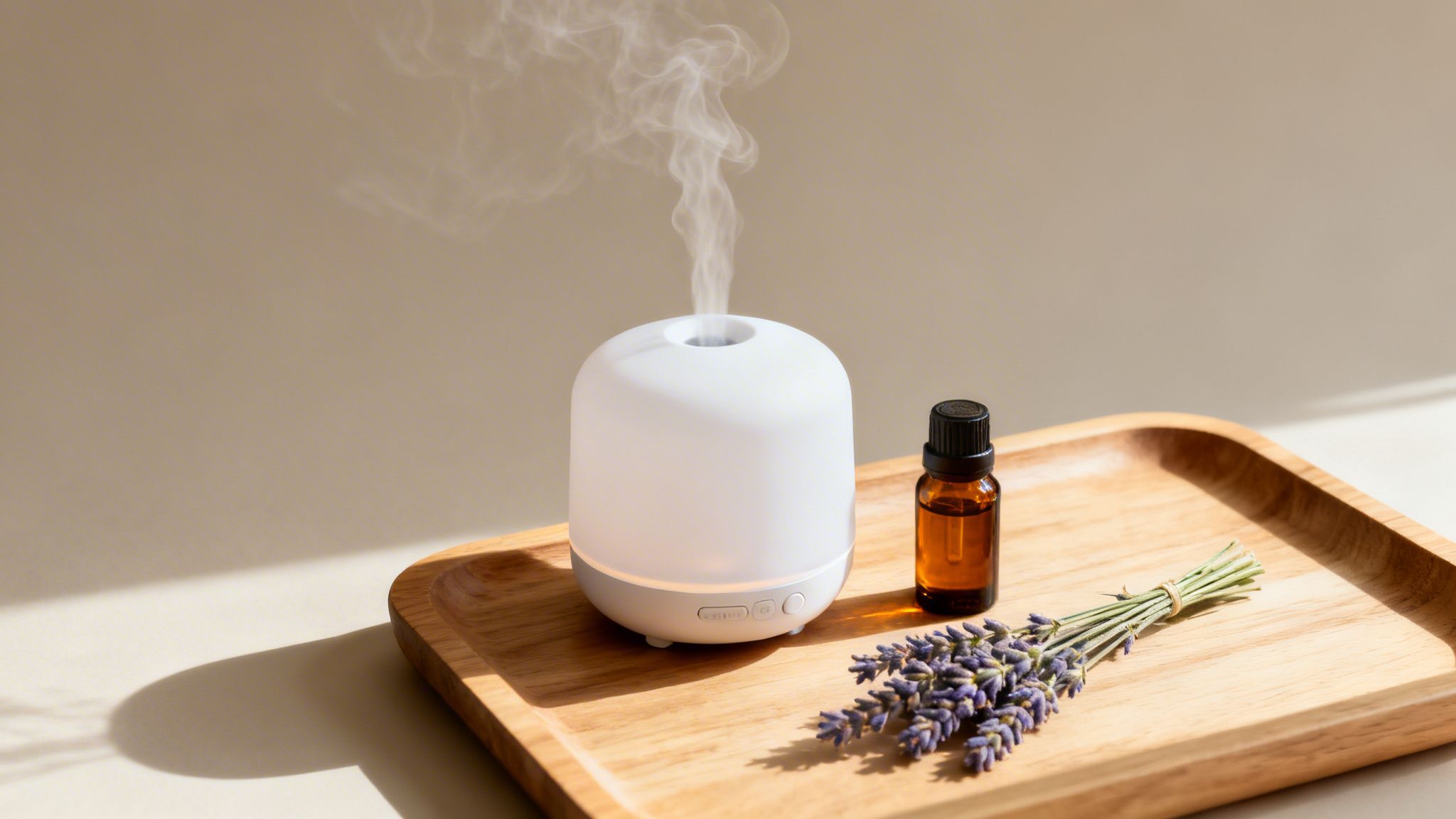
This sensory experience is more than just pleasant scents; it is a scientifically-backed method for mood regulation and relaxation. Clinical studies have repeatedly shown lavender oil reducing anxiety, while citrus oils can effectively elevate mood. The integration of premium, organic aromatherapy, such as from luxury brands like Arete and Oway, elevates spa treatments by creating an immersive environment that deepens the relaxation from services like a head massage or facial. It is an integral part of the best stress relief techniques used in luxury wellness.
When to Use Aromatherapy
Aromatherapy is especially beneficial when you need to swiftly shift your mental state, such as after a demanding workday or during moments of heightened anxiety. It is also a powerful tool for cultivating a restorative home environment, signaling to your brain that it is time to unwind. Integrating it into your evening routine can significantly improve sleep quality.
How to Maximize Your Experience
To fully benefit from aromatherapy, consider these expert recommendations:
Choose High-Quality Oils: Select pure, organic essential oils, like those offered by Arete and Oway, to ensure you are inhaling authentic botanical compounds without synthetic additives.
Practice Safe Application: Always dilute essential oils with a carrier oil (like jojoba or coconut) before applying to the skin. Never apply undiluted oils directly.
Diffuse with Intention: Use a diffuser for 20-30 minute intervals to scent your space. Select oils based on your goal: lavender for calm, citrus for energy, or chamomile for sleep.
Layer Your Scents: Combine aromatherapy with other relaxation practices. The inclusion of essential oils in a luxury head spa treatment amplifies the calming effects for a truly holistic release of tension.
7. Physical Exercise and Movement
Recognized by wellness experts and medical professionals alike, physical exercise stands as one of the most effective and accessible best stress relief techniques. Engaging in movement triggers the release of endorphins, the body's natural mood elevators, while actively reducing levels of stress hormones like cortisol. This potent physiological response helps process tension and improve mental clarity, offering a powerful antidote to modern pressures.
From elegant yoga flows to high-intensity cardio, any form of physical activity can significantly enhance your well-being. The benefits are not just biochemical; the focus required during exercise provides a mental respite from daily worries, creating a state of active meditation. This combination of physical release and mental distraction makes movement a cornerstone of any robust stress management plan, solidifying its place among the best stress relief techniques.
When to Prioritize Movement
Incorporating exercise is particularly beneficial when you feel overwhelmed, lethargic, or mentally scattered. It is a proactive strategy to build resilience against future stressors and an immediate tool to dissipate acute tension. For busy professionals and caregivers, even brief, intentional movement breaks can reset the nervous system and enhance productivity.
How to Maximize Your Experience
To integrate movement effectively into your routine, consider these practical recommendations:
Discover Your Joy: Select activities you genuinely enjoy, whether it's walking along the Naples beaches, swimming, or attending a boutique fitness class. Enjoyment ensures consistency.
Schedule It In: Treat your workouts like non-negotiable appointments. Blocking out even 15-20 minutes in your calendar makes you more likely to follow through.
Pair with Relaxation: Combine your fitness routine with dedicated recovery. A post-workout scalp massage can soothe tired muscles, reduce inflammation, and deepen the relaxation effects of your exercise.
Begin Mindfully: Start with 20-30 minutes of moderate activity three to four times a week. Listen to your body and gradually increase intensity or duration.
By making physical activity a regular part of your lifestyle, you equip your body and mind with one of the most reliable tools for managing stress. The synergy between invigorating movement and restorative practices offers a balanced path to sustained tranquility.
8. Journaling and Expressive Writing
A deeply personal and accessible practice, journaling serves as one of the best stress relief techniques for its power to externalize and process internal turmoil. Pioneered by researchers like Dr. James Pennebaker, expressive writing involves translating thoughts, feelings, and complex experiences into written words. This act of articulation helps organize chaotic thoughts, gain valuable perspective on stressful events, and release pent-up emotional burdens that can manifest as anxiety and tension.
This is not aimless writing; it's a deliberate practice of self-reflection that fosters a clearer mind. Regularly engaging in expressive writing for just 15-20 minutes a few times a week is proven to significantly reduce anxiety, improve mood, and enhance overall well-being. The process creates a private sanctuary for honest self-dialogue, allowing you to untangle the roots of your stress without judgment and discover patterns in your emotional responses.
When to Practice Journaling
Expressive writing is particularly potent when you feel overwhelmed by thoughts, are processing a difficult event, or are managing ongoing stressors like work pressure or caregiving responsibilities. It is an exceptional tool for building emotional resilience and can be integrated into a larger self-care ritual, such as after a relaxing spa treatment, to reflect on and prolong the feelings of calm and clarity.
How to Maximize Your Experience
To derive the most from this reflective practice, consider these focused recommendations:
Commit to Consistency: Dedicate 15-20 minutes, three to four times weekly, to establish a rhythm and realize tangible benefits.
Write Without Censors: Allow your thoughts to flow freely without concern for grammar, spelling, or structure. The objective is expression, not perfection.
Focus on Feelings: Describe not just what occurred, but how it made you feel. Use emotive language to connect more deeply with your experience.
Use Prompts if Uninspired: When you don't know where to begin, simple prompts like "Today I felt..." or "The primary thing I'm concerned about is..." can open the door.
Maintain Privacy: Ensure your journal is a confidential space. This security encourages complete honesty and makes the process more effective.
9. Digital Detox and Screen-Free Time
A digital detox is the practice of intentionally stepping away from electronic devices like smartphones and computers. This is one of the best stress relief techniques because it directly counters the 'always-on' state of mind that constant notifications and information streams cultivate. This persistent digital engagement can elevate cortisol levels and keep the nervous system in a state of high alert, making true relaxation almost impossible. By creating deliberate screen-free periods, you allow your mind to disconnect, reset, and recover from chronic overstimulation.
This conscious uncoupling from technology is not just about avoiding burnout; it’s about reclaiming mental clarity and presence. The benefits include improved sleep quality, deeper focus, and more meaningful social connections. In a world of constant pings and alerts, designating time for a digital detox is a powerful act of self-care. It creates the mental space needed to truly decompress, a benefit that is amplified when paired with other restorative activities. This is one of the most modern yet crucial of the best stress relief techniques.
When to Practice a Digital Detox
A digital detox is most effective when you feel mentally scattered, have trouble sleeping, or find yourself mindlessly scrolling out of habit. It is an excellent practice for professionals in Naples and Collier County who feel tethered to their work emails after hours. Setting aside dedicated screen-free time, especially before bed or during weekends, can prevent digital fatigue from accumulating into chronic stress.
How to Maximize Your Experience
To derive the most from your screen-free time, integrate these practical recommendations:
Establish 'No-Phone Zones': Designate specific times or areas, such as the dinner table or the bedroom, as completely screen-free to foster presence.
Set a Digital Curfew: Commit to putting all devices away at least one hour before bedtime to enhance your sleep quality.
Curate Your Notifications: Disable all non-essential alerts to minimize distractions and reduce the urge to constantly check your phone.
Pair with a Spa Ritual: Schedule your head spa appointment as a dedicated digital-free escape. Leaving your phone behind allows you to fully immerse yourself in the restorative experience.
By consciously stepping away from screens, you create opportunities for genuine rest and rejuvenation.
10. Nature Exposure and Outdoor Activities
The simple act of spending time in nature is one of the most effective and accessible best stress relief techniques available. Whether it involves a stroll through a park, a walk along the beach, or time spent in a garden, natural environments have a profound ability to calm the nervous system. This practice, often called ecotherapy, works by lowering cortisol levels, reducing blood pressure, and engaging the senses in a way that quiets mental chatter and eases accumulated tension.
For Naples residents, the abundance of pristine beaches and lush natural preserves makes this a readily available wellness tool. The benefits extend beyond immediate calm; regular nature exposure is linked to improved mood, increased focus, and a greater sense of well-being. Combining outdoor activities with focused relaxation treatments creates a powerful, well-rounded approach to managing stress, addressing both mental fatigue and physical tension.
When to Go Outdoors for Stress Relief
Nature exposure is particularly beneficial when you feel overwhelmed by digital fatigue or mentally drained from work. It serves as an excellent "reset" button, helping to clear your mind and restore your energy levels. Integrating it into your routine, such as with morning walks on Naples beach or weekend hikes in a local preserve, can prevent stress from building up. Consider pairing a nature walk with a scheduled spa appointment for a complete day of restorative self-care.
How to Maximize Your Experience
To derive the most from your time in nature, consider these practical recommendations:
Be Consistent: Aim for 20 to 30 minutes of dedicated nature time, three to five times a week, to experience sustained benefits.
Practice Mindfulness: Fully immerse yourself in the environment. Pay close attention to the sights, sounds, and smells around you, from the rustling leaves to the scent of saltwater.
Designate a Digital Detox: Leave your phone behind or disable notifications to allow your mind to fully disengage from daily stressors and connect with your surroundings.
Combine with Activity: Integrate gentle movement like walking, outdoor yoga, or gardening. This adds physical benefits and deepens your connection to the natural world.
Top 10 Stress-Relief Techniques Comparison
Method | Process / Complexity 🔄 | Resources & Cost ⚡ | Expected Outcomes 📊 | Effectiveness ⭐ | Ideal Use Cases | Practical Tips 💡 |
|---|---|---|---|---|---|---|
Head Spa & Scalp Massage Therapy | Moderate–High — requires trained therapist and technique | High — professional sessions, quality products, appointment time | Immediate relaxation; reduced head/neck tension; improved scalp circulation and hair health | ⭐⭐⭐⭐ | Spa-goers, chronic head/neck tension, corporate wellness | Schedule during high-stress periods; communicate tension areas; allow 24 hrs before shampoo |
Mindfulness & Meditation | Moderate — learning and habit formation | Low — time, quiet space, optional app subscriptions | Reduced anxiety, lower cortisol, improved focus and emotional regulation over time | ⭐⭐⭐⭐ | Daily stress management, workplace resilience, supportive therapy | Start 5–10 min daily; use guided apps; practice same time each day |
Deep Breathing Exercises | Low — simple techniques, easy to learn | Minimal — no equipment, can be done anywhere | Rapid physiological calming in 2–5 minutes; lower heart rate and blood pressure | ⭐⭐⭐⭐ | Acute stress/anxiety episodes, pre-event calming, quick relief | Practice 4‑7‑8 or box breathing; 3–5 min as needed; avoid overdoing (dizziness) |
Progressive Muscle Relaxation (PMR) | Moderate — guided sequence and attention to body | Minimal — quiet space and time (15–20 min) | Releases muscle tension; improves sleep; reduces somatic stress for several hours | ⭐⭐⭐⭐ | Those with body-stored tension, insomnia, pre-sleep routine | Hold tension 5–10s then release; use guided recordings; practice 3–4x weekly |
Facial Treatments & Skincare Rituals | Moderate — professional technique and product knowledge | Medium–High — trained aesthetician, time, quality products | Immediate skin hydration and glow; reduced visible stress signs; relaxation | ⭐⭐⭐ | Skin concerns, self-care rituals, spa packages | Schedule monthly; follow post-care instructions; disclose sensitivities |
Aromatherapy & Essential Oils | Low — selection and proper dilution needed | Low–Medium — quality oils and diffuser recommended | Immediate mood shifts; supports sleep, anxiety reduction, enhanced relaxation | ⭐⭐⭐ | Mood support, complement to spa treatments, sleep routines | Use high-quality organic oils; dilute before topical use; diffuse 20–30 min |
Physical Exercise & Movement | Moderate–High — planning and consistency required | Variable — free activities to gym/equipment costs | Long-term cortisol reduction; endorphin boost; improved sleep, energy, and mood | ⭐⭐⭐⭐⭐ | Long-term stress management, overall health, energy regulation | Aim 20–30 min 3–4x weekly; choose enjoyable activities; include stretching/yoga |
Journaling & Expressive Writing | Low — simple practice but requires consistency | Minimal — pen and paper or app | Emotional processing; reduced anxiety; improved clarity and problem-solving | ⭐⭐⭐ | Caregivers, emotional processing, adjunct to therapy | Write 15–20 min, 3–4x weekly; write freely; keep entries private |
Digital Detox & Screen-Free Time | Moderate — behavioral change and environment support | Minimal — may require scheduling and workplace adjustments | Improved sleep, reduced notification-driven stress, better focus and relationships | ⭐⭐⭐⭐ | Sleep issues, high notification stress, improving focus | Start with 1 hour before bed; turn off non-essential notifications; schedule screen-free periods |
Nature Exposure & Outdoor Activities | Low — access and time are primary factors | Low — travel/time to green/blue spaces | Reduced cortisol and mental fatigue; improved mood, creativity, and immune function | ⭐⭐⭐⭐ | Accessible, low-cost stress relief; boosts mood and attention | Aim 20–30 min, 3–5x weekly; combine with mindful observation; use as digital detox |
Your Invitation to Unwind: Integrating Luxury Wellness Into Your Life
The journey toward a life of diminished stress is not a destination but a continuous, cultivated practice. Throughout this guide, we have explored a diverse collection of the best stress relief techniques, each offering a unique pathway to tranquility. From the immediate calm of deep breathing exercises to the long-term resilience built through mindfulness and physical movement, you now possess a powerful toolkit to navigate the pressures of modern life.
The true art of stress management lies in creating a personal mosaic of these practices. Some days, a brisk walk in nature will be the perfect antidote to a cluttered mind. On others, the quiet introspection of journaling will provide the clarity you seek. The key is to listen to your body and mind, selecting the right tool for the right moment. Mastering these best stress relief techniques transforms them from mere actions into ingrained rituals, building a foundational layer of calm that supports you through life's inevitable challenges.
From Daily Practice to Deep Restoration
While daily habits like progressive muscle relaxation and digital detoxes are essential for building resilience, there are moments when a deeper level of release is not just a luxury, but a necessity. The chronic tension that accumulates in our shoulders, neck, and scalp often requires more than a simple breathing exercise can resolve. It requires a dedicated sanctuary, a moment in time carved out exclusively for your restoration, guided by an expert hand.
This is where professional wellness therapies become an indispensable part of a sophisticated self-care strategy. They act as a powerful reset, amplifying the benefits of your daily practices. Consider the profound difference:
Daily Practice: A five-minute aromatherapy session at your desk provides a quick, welcome escape.
Deep Restoration: An immersive Head Spa treatment integrates custom-blended aromatics, therapeutic massage, and a serene environment to dissolve tension at its source, leaving you with a sense of peace that endures for days.
Integrating these professional treatments is not an indulgence; it's a strategic investment in your long-term well-being. It acknowledges that to truly care for ourselves, we sometimes need the care of others.
Elevating Your Wellness Journey in Naples
The techniques discussed, from scalp massage to facial rituals, are not just abstract concepts but tangible experiences designed to restore balance. In Naples and Collier County, residents have the unique opportunity to experience these practices at their most refined. The goal is to move beyond simply knowing about the best stress relief techniques and to begin truly feeling their effects on a profound level.
Imagine the deep, rhythmic pressure of a professional scalp massage releasing tightness you didn't even realize you were holding. Picture a bespoke facial treatment not only revitalizing your skin but also melting away the facial tension built from a week of concentration and deadlines. This is the difference between practice and immersion. By scheduling these moments of expert-led care, you anchor your wellness journey, creating powerful reference points of deep calm that your mind and body can return to time and again. This commitment to professional self-care is the ultimate expression of prioritizing your health, ensuring your well-being is not an afterthought, but a celebrated part of your life.
Ready to experience the pinnacle of relaxation? We invite you to elevate your self-care ritual at Unwind Head Spa, where we specialize in the advanced scalp and facial therapies that serve as some of the most effective best stress relief techniques available. Book your appointment today at Unwind Head Spa and discover a new standard of calm and rejuvenation in Naples.