↓ Scroll ↓
Apr 21, 2026
Difference between dandruff and dry scalp - Confused by flakes? Master the difference between dandruff & dry scalp with our expert guide.
A few flakes on a dark silk blouse can feel far more intrusive than they should. You smooth your collar, brush your shoulders, check the mirror again, and still wonder the same thing: Is this dandruff, or is my scalp just dry?
That confusion is understandable. Both conditions can leave behind visible flaking, an unsettled scalp, and a cycle of buying products that promise relief but don’t quite deliver. The problem isn’t usually effort. It’s misidentification.
The difference between dandruff and dry scalp matters because they come from different processes inside the skin. One is usually tied to excess oil and yeast activity. The other comes from a depleted moisture barrier and water loss. They may look similar at first glance, but they don’t respond well to the same care.
In practice, frustration often begins when people treat dandruff as dryness and layer on oils or rich masks that make the scalp feel heavier. Or they treat a dry scalp with aggressive anti-dandruff products that leave the skin tighter and more reactive. Both approaches can keep the problem going.
A refined scalp routine starts with discernment. Once you know what your scalp is asking for, the path becomes calmer, simpler, and far more effective.
The Elegant Enigma of Scalp Flakes
Scalp flaking has a way of making even the most polished person feel off balance. It rarely arrives at a convenient moment. It appears before dinner plans, during a workday, or just after a blowout, when you want your hair to feel immaculate and effortless.
The first instinct is usually to assume dryness. That seems logical. Flakes must mean the scalp needs moisture. But that assumption often leads people in the wrong direction.
Dandruff and dry scalp are not interchangeable terms. They can share a visible symptom, yet the underlying scalp environment is very different. Dandruff tends to arise from an oily, inflammatory setting. Dry scalp comes from insufficient moisture and a compromised skin barrier.
Practical rule: If you only treat the flakes you can see, and not the condition creating them, the scalp usually stays unsettled.
This is why a beautiful shampoo shelf doesn’t always solve the issue. A luxury approach to scalp wellness isn’t about using more products. It’s about using the right kind.
Many clients arrive after rotating through clarifying shampoos, scalp oils, exfoliants, hydrating masks, and “soothing” formulas all at once. The scalp often becomes more confused, not less. It’s over-cleansed in one step, over-coated in the next, then asked to recover on its own.
Three observations usually bring clarity:
Look at the flakes themselves: Large, greasy flakes suggest something very different from a fine dusting of white powder.
Notice how the scalp feels between washes: Tightness points in one direction. Oiliness and persistent itch point in another.
Pay attention to what makes it worse: Harsh cleansing, weather shifts, stress, and product buildup don’t affect every scalp in the same way.
Once you separate dandruff from dry scalp, the conversation changes. Relief stops being trial and error. It becomes targeted care, and that’s where healthy scalp function and beautiful hair begin.
A Tale of Two Scalps Dandruff vs Dry Scalp
The quickest way to understand the difference between dandruff and dry scalp is to compare them side by side. They may both leave flakes on your brush or clothing, but the scalp conditions behind them are distinct.
Feature | Dandruff | Dry scalp |
|---|---|---|
Primary cause | Excess oil and Malassezia yeast activity | Moisture deficiency and a weakened skin barrier |
Flake appearance | Larger, oily, yellow or white flakes | Small, white, powdery flakes |
How flakes behave | Tend to cling to the scalp or hair | Fall away more easily |
Scalp feel | Itchy, irritated, sometimes oily | Tight, uncomfortable, dry |
Best treatment direction | Antifungal and oil-regulating care | Moisture-replenishing and barrier-supporting care |
Dandruff
Dandruff is usually connected to an oily, inflammatory scalp environment. Rather than lacking moisture, the scalp often has excess sebum, which creates favorable conditions for Malassezia yeast. The flakes are typically more noticeable because they’re thicker and can cling to the hair shaft.
This is why adding rich oils to an already oily scalp often disappoints. The scalp may feel coated, but the underlying imbalance remains.
Dandruff usually needs regulation, not more richness.
Dry scalp
Dry scalp is a barrier problem. The skin loses moisture faster than it can retain it, often after over-washing, exposure to dry air, harsh cleansers, or irritating styling products. The flakes are usually finer, lighter, and more powdery.
The sensation is different too. Instead of an inflamed itch, many people describe dry scalp as a tight, prickly discomfort, especially after shampooing or time in air conditioning.
The sensation test
If you’re trying to identify your own scalp pattern, focus on feel as much as appearance:
Oily roots with stubborn itch: More consistent with dandruff
Tight skin after washing: More consistent with dry scalp
Flakes that cling: Think dandruff
Flakes that dust off easily: Think dryness
That distinction sounds simple, but it changes everything about treatment.
Uncovering The Root Causes of Scalp Imbalance
A flaky scalp rarely comes down to one simple cause. In practice, I see a pattern. Busy schedules, irregular meals, late nights, frequent blowouts, hard water, air conditioning, and persistent stress all change the scalp’s behavior long before flakes appear on black clothing.
That pattern is especially familiar in Naples, where heat, humidity, sun exposure, and a polished social calendar can push clients into cycles of over-washing, heavy styling, and stress-related inflammation. The scalp responds to lifestyle pressure as much as it responds to product choice.
What drives dandruff
Dandruff is usually tied to an oily, reactive scalp environment. A medical review on dandruff and seborrheic dermatitis notes that dandruff affects at least 50 million Americans, that Americans spend roughly $300 million each year on over-the-counter treatments, and that the scalp is involved in about 70.3% of adult seborrheic dermatitis cases in this review on dandruff and seborrheic dermatitis.
Those numbers matter because they reflect two realities. Dandruff is common, and it is commonly mismanaged.
In treatment rooms, I often find that clients with dandruff have been trying to moisturize away a condition that is being fed by oil imbalance, inflammation, microbial overactivity, and product residue. Stress can intensify that cycle. Poor sleep and sustained tension can shift oil production, increase sensitivity, and make itching feel more urgent, which leads to more touching, more scratching, and more disruption of the scalp surface.
Cleanser choice also matters. Some shampoos strip too aggressively and leave the scalp irritated. Others are too conditioning for an already congested scalp. If you are rethinking what you wash with, the truth about sulfate in shampoo is a useful read because it explains why scalp response depends on the full formula, not a marketing claim on the front of the bottle.
What creates dry scalp
Dry scalp has a different origin. It tends to show up when the skin barrier is weakened and water escapes faster than the scalp can hold it.
In Naples, I see this after repeated heat styling, frequent shampooing to manage sweat, sun exposure, salt air, indoor cooling, and color services layered too close together. Stress plays a role here too. A stressed client often washes reactively, uses more dry shampoo, extends time between proper scalp cleansing, then over-corrects with harsh products. The result is a scalp that feels tight, unsettled, and fragile.
Common triggers include:
Dry air or aggressive climate control: Indoor cooling can leave the scalp dehydrated even in a humid region.
Over-washing: Repeated cleansing can weaken barrier function.
Harsh or highly fragranced products: Some formulas leave the scalp reactive rather than refreshed.
Heat and styling stress: Blow-dryers, hot tools, and heavy finishing products can disrupt comfort and recovery.
Lifestyle strain: Poor sleep, high stress, and inconsistent self-care often show up first in the skin.
The scalp barrier, the stratum corneum, is designed to retain water and keep irritation out. Once that barrier is compromised, the scalp can begin to shed in a fine, dry way, even if the hair itself looks healthy.
Why misreading the cause keeps it going
Misdiagnosis is what keeps many cases lingering for months.
Clients with dandruff often apply oils and rich masks directly to the scalp because flakes look dry. That can leave more buildup on an already imbalanced scalp. Clients with true dryness often reach for strong anti-dandruff shampoos and frequent exfoliation, then wonder why the scalp feels tighter after every wash.
The trade-off is simple. Over-treat oil imbalance with richness, and congestion tends to worsen. Over-treat dryness with medicated cleansing, and barrier damage tends to deepen.
Professional scalp therapy helps because it separates appearance from cause. A close scalp analysis can reveal whether the issue is sebum, inflammation, dehydration, residue, sensitivity, or a combination of several. If seborrheic dermatitis may be part of the picture, this guide on how to treat seborrheic dermatitis naturally offers a thoughtful starting point.
A Definitive Guide to Identifying Your Symptoms
The scalp usually tells the truth if you know what to look for. The key is to stop asking, “Do I have flakes?” and start asking, “What kind of flakes, what kind of scalp, and what kind of sensation?”
Read the flakes closely
The biochemical distinction is especially helpful here. In dandruff, Malassezia produces oleic acid, which can trigger inflammation and create greasy, yellow flakes that are typically 1 to 3mm in size, while dry scalp results from a damaged moisture barrier that leads to water loss and fine, powdery white flakes under 1mm, as described in this scalp health comparison guide.
That difference in size and texture isn’t minor. It’s one of the best clues you have at home.
A simple self-check:
If flakes are larger and cling to strands, suspect dandruff.
If flakes are tiny and dust the shoulders, suspect dry scalp.
If they look yellowish or greasy, that leans toward dandruff.
If they look bright white and feather-light, that leans toward dryness.
Notice the feeling on wash day
The scalp’s sensation often gives away what the eyes miss.
With dandruff, the itch tends to feel deeper and more persistent. It can continue even when the hair feels freshly washed. Some people also notice areas that seem slightly tender or warmer, especially around the crown or hairline.
With dry scalp, discomfort often appears as tightness, prickling, or rawness, especially after shampooing. The skin may feel as if it needs relief immediately after cleansing, even if there isn’t much visible oil.
If your scalp feels cleaner but more uncomfortable right after washing, dryness is often part of the story.
Observe the scalp itself
Part your hair in natural light and examine the skin rather than the flakes alone.
Look for these patterns:
Shiny or oily surface with attached flaking: more in line with dandruff
Matte, delicate-looking skin with diffuse powdery shedding: more in line with dry scalp
Visible redness with greasy scale: often points to inflammatory flaking
No obvious oil, but a papery look to the skin: often points to dehydration
This is also where lifestyle comes in. In Naples, many people move between sun, humidity, indoor air conditioning, frequent styling, and high-pressure schedules. That combination can make a dry scalp feel more uncomfortable and can make dandruff flare when oil and stress build at the same time.
A refined at-home check
Try this for several days, not just once:
Wash as usual. Notice how your scalp feels as it dries.
Check the roots by evening. Are they oily, or still quite dry?
Brush your shoulders lightly. Do flakes drop like powder, or stay attached?
Watch the response to moisture. If gentle hydration calms the scalp quickly, dryness may be the issue. If moisture leaves the scalp heavier without relief, look more closely at dandruff.
If your scalp also feels persistently itchy, this article on what causes itchy dry scalp can help you sort out overlapping triggers without defaulting to the wrong treatment category.
At-Home Rituals And Professional Interventions
Once you identify the difference between dandruff and dry scalp, treatment becomes much more elegant. The goal isn’t to attack the scalp. It’s to restore the environment it needs.
What works at home for dandruff
Dandruff usually responds best to a disciplined, minimal routine.
Look for shampoos with ketoconazole or other antifungal actives that target yeast activity. A common mistake is using an anti-dandruff shampoo once, deciding it didn’t work, then switching immediately. Consistency matters more than product-hopping.
A few trade-offs matter here:
Use treatment where the issue lives: Apply to the scalp, not just the hair.
Don’t bury the scalp in oils: Heavy oils can feel soothing but often don’t address the root issue.
Avoid piling on styling residue: Dry shampoo, thick leave-ins, and scalp makeup can complicate flare patterns.
What works at home for dry scalp
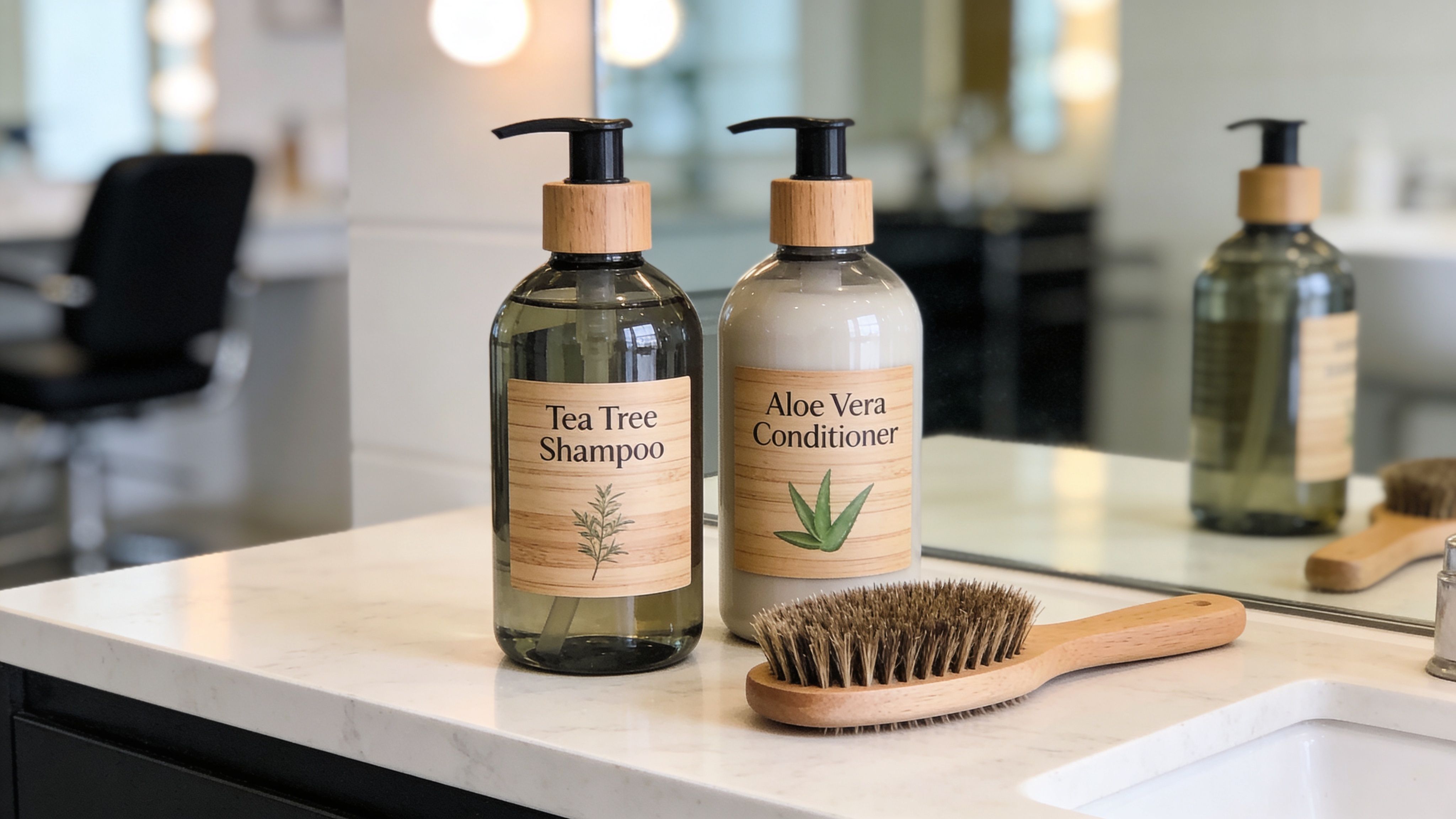
Dry scalp needs a gentler cadence. Reach for fragrance-conscious, non-stripping cleansers, then support the barrier with ingredients such as hyaluronic acid, glycerin, aloe vera, panthenol, and lightweight humectant serums.
For people exploring texture and layering, this guide to a dry scalp serum is useful because it explains what a dedicated scalp serum can do differently from standard conditioner or oil. That distinction matters. Conditioner softens hair. A good scalp serum is designed for skin.
A dry scalp routine usually improves when you:
Wash less aggressively: Not necessarily less often, but with less stripping.
Keep water temperature moderate: Very hot water can leave the scalp feeling depleted.
Apply hydration to the scalp itself: Not only to the mid-lengths and ends.
Reduce friction: Rough towel-drying and excessive scratching prolong irritation.
Where exfoliation helps, and where it backfires
Scalp exfoliation can be beautiful when it’s appropriate. It lifts residue, loosens compacted flakes, and refreshes the scalp surface. But exfoliation isn’t always the answer.
For dandruff, overly frequent scrubbing can increase irritation without addressing yeast. For dry scalp, abrasive exfoliants can worsen barrier damage. If you want a more nuanced approach, this piece on scalp exfoliation at home outlines how to think about frequency, texture, and timing more intelligently.
Gentle is not the same as ineffective. In scalp care, restraint often produces better results than intensity.
When home care isn’t enough
Professional support becomes the right move when the scalp remains unsettled despite thoughtful home care.
Watch for these signs:
Persistent flaking: The issue keeps returning no matter what you use.
Visible inflammation: The scalp looks red, reactive, or feels sore.
Compulsive scratching: Discomfort has become part of your day.
Changes in hair quality: Shedding, breakage, or reduced fullness begins to concern you.
At that point, the question is no longer “Which shampoo should I buy next?” It becomes “What is my scalp still trying to tell me?”
The Unwind Head Spa Experience in Naples
You can see Naples composure everywhere. Early tennis, beach walks, lunch meetings, evening events, polished color appointments, regular blowouts. Under that polished surface, the scalp often tells a less graceful story. Tightness from sun exposure, residue from mineral-heavy water, salt air settling on the hairline, perspiration trapped under styling products, and stress that keeps the nervous system in a constant low-grade state of alert.
That combination is one reason scalp concerns are so often misread here. A client may assume the flakes are simple dryness because the scalp feels tight after sun and air conditioning. Another may treat every itch as dandruff when the underlying issue is product buildup, irritation from frequent heat styling, or a stressed scalp barrier. The visible symptom looks similar. The cause often is not.
Recent trend reporting has pointed to a broader shift toward root-cause scalp care, especially where irritation, stress, and shedding overlap. That same discussion references Unwind Head Spa and its 150+ five-star reviews noting the restorative side of treatment, as mentioned in this dandruff vs dry scalp trend overview.
Why stress changes the scalp
Stress changes behavior before it changes appearance. People wash too often, or not quite thoroughly enough. They rely on dry shampoo for one more day, sleep less soundly, book the color refresh but postpone recovery, and scratch absentmindedly while answering emails. Over time, the scalp becomes more reactive, oil regulation grows less predictable, and minor imbalance starts presenting as a chronic pattern.
In Naples, I often see this paired with environmental friction. Hard water can leave the scalp coated and dull. Heat and humidity can encourage over-cleansing. Air conditioning can leave the skin feeling parched, even while the roots become greasy faster. Salt air and sunscreen at the hairline add another layer.
That is why scalp therapy belongs in the self-care conversation. It helps restore regulation, not just appearance.
What professional scalp therapy does differently
Professional scalp therapy begins with observation. Before choosing products or techniques, the practitioner looks at what is present on the scalp. Fine dry flaking behaves differently from oily clustering. Redness along the part line suggests something different than congestion around follicles or residue sitting flat against the skin.
At Unwind, that diagnostic step matters because Naples clients rarely present with one clean textbook issue. They often arrive with overlap. A compromised barrier from over-washing, irritation from stress, mineral buildup from local water, and styling residue from an active social or professional schedule can all exist at once. Treating all of that as “just dandruff” wastes time and can make the scalp more volatile.
The treatment itself is selected with that nuance in mind. Organic professional lines such as Arete and Oway are used with intention for cleansing, soothing, and barrier support. Skilled touch also changes the result. Careful scalp manipulation can loosen residue without provoking more irritation, improve circulation without aggressive scrubbing, and help settle a nervous system that has been holding tension for far too long.
A closer look at the experience is here:
Why this matters for long-term hair health
Healthy hair rarely grows well from a scalp that is chronically inflamed, coated, or unsettled. Flaking is easy to dismiss as a nuisance, but recurring imbalance can interfere with comfort, consistency, and the overall quality of the scalp environment over time.
Professional scalp therapy gives clients something they often have not had before. Clear identification of the problem, treatment chosen for the actual cause, and a setting calm enough for the body to come out of defense mode. For busy professionals, caregivers, frequent travelers, and anyone maintaining a polished life in Naples while feeling physically overstimulated, that change in care can be profoundly corrective.
If your scalp feels unsettled, persistently flaky, or out of balance, Unwind Head Spa offers a refined place to begin. Located in Naples, Unwind pairs targeted scalp care with a thoroughly restorative ritual, using organic luxury products and the insight of a practitioner with 25+ years of experience. It is a thoughtful next step for anyone ready to move beyond guesswork and treat scalp health as part of lasting hair wellness.