↓ Scroll ↓
Apr 15, 2026
Confused about what ingredients to avoid in hair products? Our expert guide reveals the top irritants and helps you choose scalp-healthy alternatives.
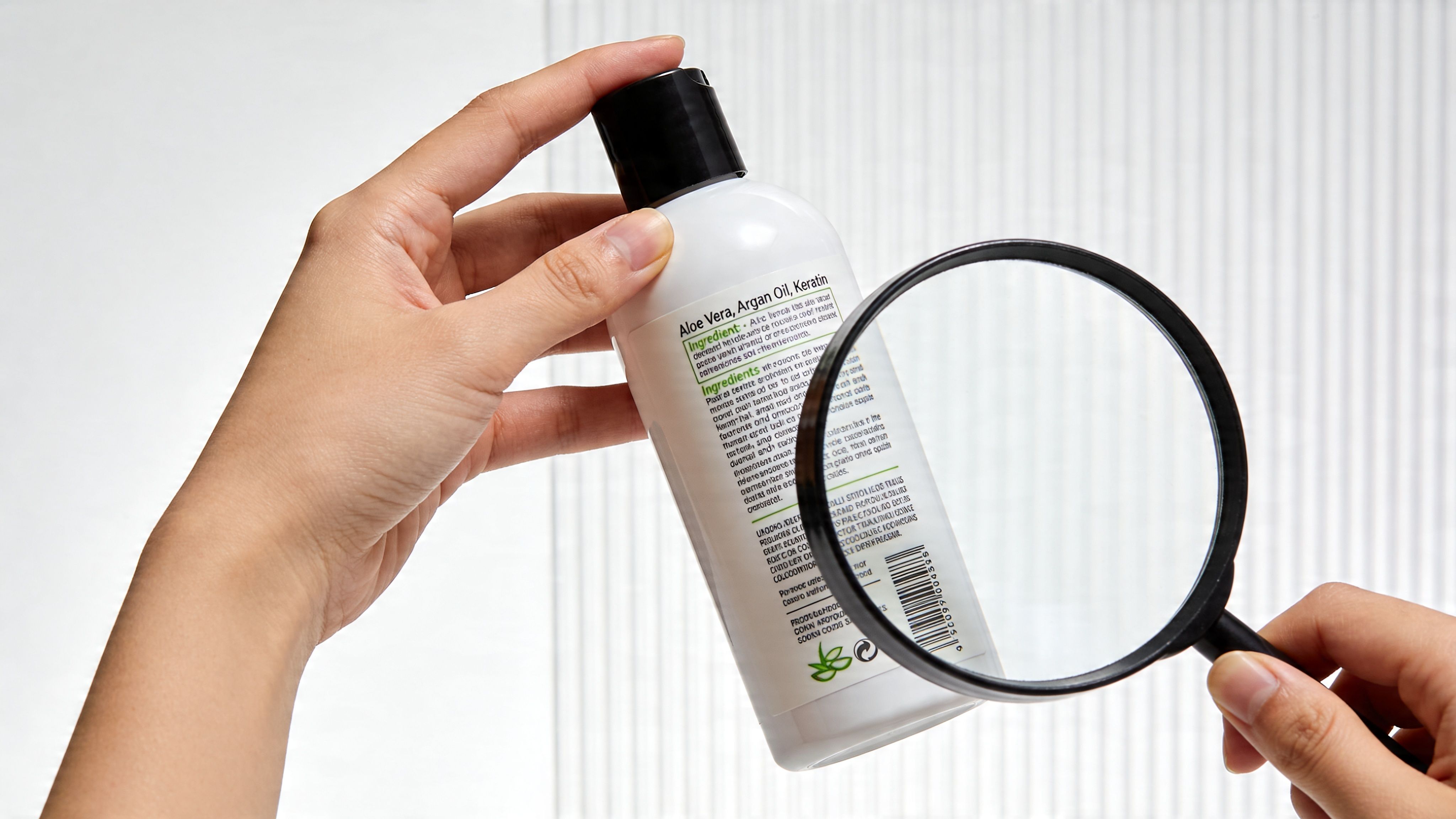
You run your hands through your hair after washing and it still doesn’t feel clean. Or it feels too clean. The lengths are puffy, the scalp is tight, and by tomorrow the roots seem oily again. Many people arrive in this exact cycle, rotating through bottles that promise repair, shine, volume, hydration, and scalp balance, yet their hair never settles into ease.
That frustration usually isn’t about effort. It’s about formulation.
A glossy label can hide a formula that strips, coats, perfumes, or inflames. The result is confusing because the product may seem effective on day one. Hair feels slippery. The scent feels expensive. The lather feels satisfying. But a calm scalp reads ingredients differently than marketing does.
Knowing what ingredients to avoid in hair products changes the entire ritual. You stop chasing dramatic claims and start choosing formulas that respect the scalp, preserve moisture, and support hair that behaves beautifully without constant correction.
The Ritual of Reading the Bottle
A common pattern looks like this. Someone buys a shampoo for dryness, then adds a mask for frizz, then a serum for shine, then a detox scrub because the scalp starts feeling congested. Each product solves the side effect of the one before it.
That isn’t a hair problem. It’s often an ingredient problem.
The bottle in your shower is part of your daily environment. It touches the scalp repeatedly, often for months. If the formula is harsh, heavily fragranced, or full of coating agents, that repeated exposure matters more than the promises on the front label.
Why less often becomes more
Luxury hair care isn’t about excess. It’s about discernment.
The most restorative routines usually become simpler once the formulas improve. Fewer products are needed when the scalp isn’t being stripped and the hair shaft isn’t being coated with ingredients that create a polished surface but leave the fiber thirsty underneath.
A refined routine doesn’t begin with adding more. It begins with removing what keeps the scalp from staying balanced.
When clients begin reading labels with intention, they notice how often the same categories appear across their shampoo, conditioner, leave-in, and styling cream. Once that awareness clicks, shopping becomes calmer. If you want a helpful companion piece while curating a gentler routine, this guide to best organic hair care products is a good place to continue.
What the bottle is really telling you
Front labels sell aspiration. The ingredient panel tells the truth.
Words like “repairing,” “moisturizing,” and “clean” can coexist with ingredients that disturb the scalp barrier or leave persistent buildup. Reading the bottle becomes a ritual because it asks you to pause, look closely, and choose what serves your scalp long after the first wash.
Your Scalp Is the Soil for Healthy Hair
Hair health starts lower than commonly assumed. It starts at the scalp.
If the scalp is dry, inflamed, coated, or overstimulated, the lengths eventually show it. Shine fades. Texture turns erratic. Roots become greasy while ends remain brittle. The hair may look like the problem, but the scalp is often where imbalance begins.
Treat the scalp like living ground
Think of the scalp as soil in a cultivated garden. Healthy soil holds moisture, releases what the plant needs, and stays breathable. Disturbed soil becomes compacted, dry, or overly slick. Growth may still happen, but not gracefully.
Your scalp works in a similar way. It relies on balance.
Natural sebum: This is the scalp’s own conditioning veil. It protects and softens when it’s left in balance.
Microbiome harmony: The scalp hosts a living environment that responds to what you apply repeatedly.
Comfortable function: A scalp in good condition doesn’t feel tight, stinging, or chronically coated.
When formulas are too harsh, they remove more than debris. When formulas are too heavy, they sit where lightness and circulation are needed. In both cases, the scalp shifts out of rhythm.
Signs of poor soil
A disrupted scalp rarely announces itself with one dramatic symptom. It usually whispers first.
You may notice these patterns:
After washing: The scalp feels squeaky, taut, or unusually exposed.
By the next day: Oil seems to rebound quickly at the roots.
Through the week: Flakes appear, or the hair loses buoyancy and feels flat near the scalp.
Over time: The lengths become less responsive to masks, oils, and styling products.
Practical rule: If a product gives immediate cosmetic payoff but your scalp feels less comfortable over time, the formula is asking too much of your skin.
That’s why ingredient quality isn’t a niche concern. It’s foundational scalp care. When people shift attention from the ends alone to the surface they grow from, the routine becomes much more effective. For a deeper look at maintaining that balance day to day, these scalp health tips offer useful guidance.
The Unwanted List Seven Ingredients to Avoid
Not every ingredient is harmful for every person in every context. The issue is repeated exposure to ingredients that strip, coat, preserve too aggressively, or add sensory appeal while asking the scalp to tolerate the cost.
Sulfates
This is the category I encourage people to examine first.
Sodium Lauryl Sulfate (SLS) and Sodium Laureth Sulfate (SLES) are used for that abundant foam many people still associate with cleanliness. But lather isn’t the same thing as care. According to Consumer Notice, sulfates like SLS are used in up to 90% of conventional shampoos, and they can aggressively strip the scalp’s natural sebum, leading to dryness, irritation, and compromised hair follicles. The same source notes that SLES manufacturing can create traces of 1,4-dioxane, which the FDA classifies as a probable human carcinogen (Consumer Notice on dangerous hair care ingredients).
For color-treated hair, dry scalps, and anyone already dealing with irritation, that trade-off is usually not worth it.
If you’re comparing gentler rinse-out options, this guide to a sulphate-free conditioner is a practical resource, especially for hair that tangles easily or needs softness without harsh cleansing support.
Parabens
Parabens are preservatives. Their purpose is shelf stability.
The concern in practice is that sensitive scalps often don’t tolerate heavily preserved formulas well, especially when those formulas already contain fragrance or other irritants. A person may not react dramatically. Instead, they experience a low-grade pattern of tenderness, itch, or inconsistent comfort that they never connect to the bottle.
Drying alcohols
Not all alcohols are bad. Fatty alcohols can be softening and useful. The problem category is the fast-evaporating kind often used to make products feel light, quick-drying, or weightless.
When these appear high on the ingredient list in styling products, mousses, or sprays, the scalp and hair fiber can feel progressively drier. This often shows up as rough ends, frayed texture, or a scalp that feels oddly crisp after styling.
Non-soluble silicones
Silicones create slip, shine, and that expensive, glassy finish. Some are easier to rinse than others. The heavier, less rinseable forms can accumulate over time.
That buildup can leave hair feeling silky at first but unresponsive later. Moisture doesn’t penetrate well, curls lose movement, and the scalp can feel coated. People then reach for stronger cleansers to remove the coating, which starts a familiar cycle.
Hair that feels smooth and nourished are not always the same thing.
Formaldehyde releasers
These preservatives are included to control microbial growth in a formula. The trade-off is that reactive skin often doesn’t appreciate them.
For the scalp, the issue is cumulative irritation. If someone already has sensitivity, redness along the hairline, or discomfort after washing, these are worth avoiding.
Synthetic fragrance
Fragrance is one of the most overlooked triggers in hair care. It doesn’t have to feel obviously irritating to be disruptive.
A formula can smell polished, expensive, or spa-like and still be the reason the scalp never fully settles. For people with sensitivity, “parfum” or broad fragrance blends are worth treating cautiously, especially in leave-in products that stay on the skin for hours.
Mineral oil
Mineral oil can create softness and seal the surface, but many scalps do better with lighter, more breathable nourishment.
In some products, mineral oil contributes to that coated feeling near the roots. The hair may look controlled while the scalp feels less refreshed, and finer textures often lose movement quickly.
Harmful Ingredients Reference Guide
Ingredient to Avoid | Common Label Names | Potential Scalp/Hair Issues | Gentle Alternative |
|---|---|---|---|
Sulfates | Sodium Lauryl Sulfate, Sodium Laureth Sulfate, SLS, SLES | Dryness, irritation, stripped sebum, roughened feel | Plant-derived cleansers such as coco-glucoside |
Parabens | Methylparaben, Propylparaben, Butylparaben | Sensitivity in reactive scalps | Gentler preservative systems in minimalist formulas |
Drying alcohols | Alcohol Denat., Isopropyl Alcohol | Moisture loss, brittle texture, scalp tightness | Hydrating styling bases with glycerin or aloe |
Non-soluble silicones | Dimethicone, Amodimethicone, Trimethicone | Buildup, dullness, blocked moisture feel | Silicone-free or lighter, more rinseable conditioning systems |
Formaldehyde releasers | DMDM Hydantoin, Imidazolidinyl Urea, Quaternium-15 | Irritation, reactivity, discomfort | Low-irritant preservation strategies |
Synthetic fragrance | Fragrance, Parfum | Sensitivity, itch, lingering scalp stress | Fragrance-free formulas or essential-oil-led scenting when appropriate |
Mineral oil | Mineral Oil, Paraffinum Liquidum | Heavy residue, flattened roots, coated feel | Jojoba, argan, or lightweight botanical oils |
How to Decode a Hair Product Label
A product label becomes much easier to read once you stop trying to decode every word and start looking for patterns.
Start with the top of the list
Ingredients are listed in descending order by concentration. That means the first portion of the list usually tells you the character of the formula.
A simple salon habit helps here. Read the first five ingredients slowly. If you see a harsh cleanser, a drying alcohol, or a known coating agent very early, the product is telling you what it relies on most.
Look for broad clues:
Cleansing-heavy start: Strong surfactants near the top often signal a more aggressive shampoo.
Coating-heavy middle: Multiple silicones or heavy emollients can hint at buildup potential.
Scent-forward formula: Fragrance listed prominently can matter if your scalp is reactive.
Learn the common aliases
Ingredient labels hide familiar categories under INCI names. Once you know a few, your confidence rises quickly.
Silicones: Dimethicone, amodimethicone, trimethicone
Fragrance: Fragrance, parfum
Drying alcohols: Alcohol denat., isopropyl alcohol
Sulfates: Sodium Lauryl Sulfate, Sodium Laureth Sulfate
Parabens: Often end in “paraben”
If you want extra help while comparing bottles, these tools to decode hair product labels can make the process faster without replacing your own judgment.
The label on the back matters more than the promise on the front.
Watch for formulas that compensate for themselves
One of the clearest red flags is a formula that creates the need for another corrective formula.
If a shampoo cleans so aggressively that you need a dense mask to recover softness, the wash step is too harsh. If a serum gives shine but leaves the hair limp and in need of weekly clarification, that shine came with a cost.
This short visual explanation is useful if you prefer to learn by seeing the label-reading process in action.
A simple shelf test
When you pick up a bottle, ask three things before buying it:
Will this respect my scalp, not just style my hair?
Does the formula rely on comfort or on cosmetic disguise?
Would I want this touching my skin repeatedly for months?
That small pause changes purchasing decisions more than any trend ever will.
The Art of Gentle Formulations
Once you remove the ingredients that create strain, a better standard appears. Good hair care doesn’t need to be severe to be effective. It needs to be well-composed.
What elegant formulas do differently
The finest formulations feel quiet on the scalp. They cleanse without shock. They condition without suffocating. They leave the hair supple rather than artificially slick.
That’s why many luxury, nature-forward products lean on ingredients that support function and sensory pleasure at the same time.
Plant-derived surfactants: Ingredients such as coco-glucoside can cleanse with a softer touch than harsher detergent systems.
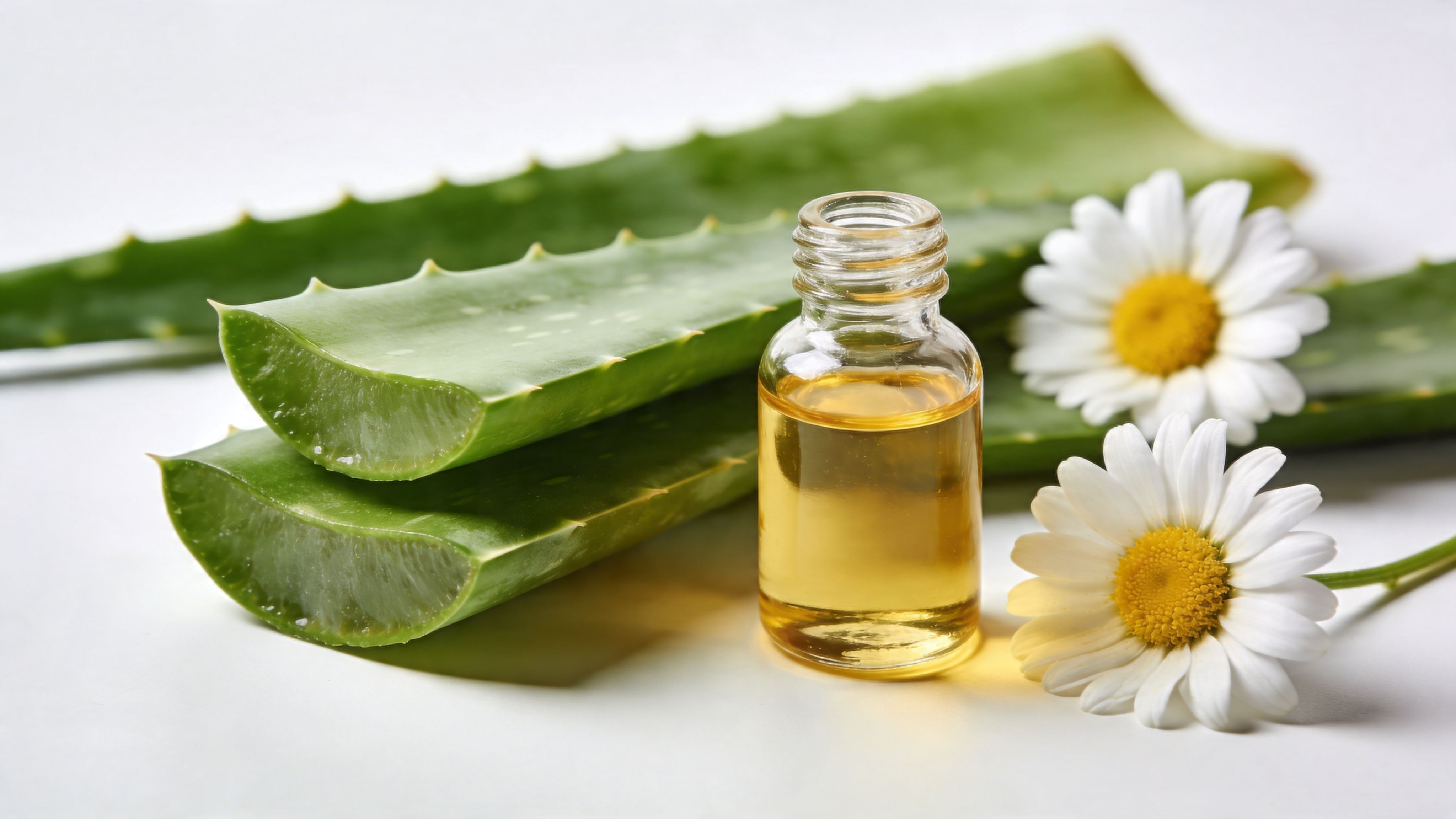
Botanical oils: Jojoba and argan can help replenish softness and polish without the same sealed-over feeling that heavier fillers often create.
Herbal extracts: Chamomile and green tea are often chosen for their soothing profile and their compatibility with sensitive routines.
Humectant-rich bases: Aloe and glycerin can support hydration when balanced well inside the formula.
Thoughtful scenting: Essential oils, used judiciously, can offer a more transparent sensory experience than broad synthetic fragrance blends.
What works and what doesn’t
What works is a formula that leaves the scalp comfortable after rinsing and the hair manageable after drying.
What doesn’t work is a formula that gives dramatic slip in the shower but leaves the roots flattened, the ends dry by the next day, or the scalp asking for rescue. Immediate payoff can be seductive. Long-term ease matters more.
Choose products that feel breathable
Refined product selection starts to feel luxurious in the truest sense. Not extravagant. Considered.
A breathable conditioner leaves the hair soft yet mobile. A good cleanser removes residue without making the scalp overreact. A well-made leave-in gives touchable finish, not film.
Gentle doesn’t mean weak. It means the formula has enough intelligence to do its job without disturbing what was already working.
When people switch to gentler formulations, they often notice something subtle but important. Their hair begins to respond with less effort. Styling takes less correction. The scalp feels less dramatic. Wash day stops feeling like a reset after damage.
Listening to Your Scalp's Warning Signs
The scalp gives feedback quickly, but many people have learned to ignore it. They assume discomfort is normal, or they blame their hair type instead of the formula.
It helps to know the common warning signs.
Signals worth taking seriously
Persistent itchiness: Not an occasional tickle, but repeated irritation after using the same product.
Tightness after washing: The scalp feels overly stripped rather than refreshed.
Flaking that seems product-related: Small dry flakes can show up when a cleanser or styling product is too harsh.
Sudden oil rebound: Roots become greasy quickly after a wash because the scalp is trying to compensate.
Tenderness or sensitivity: The scalp feels reactive when touched, brushed, or exposed to heat.
A dull, coated finish: Hair lacks movement and seems covered rather than nourished.
What to do first
Pause the newest or harshest product. Simplify the routine for a short stretch. Pay close attention to what happens after each wash rather than judging only how the hair looks once styled.
If the scalp becomes calmer when the routine gets simpler, that’s valuable information. It usually means the skin has been working too hard to tolerate the formulas in rotation.
The Ultimate Reset at Unwind Head Spa
Some buildup won’t lift gracefully at home. Some scalp imbalance also needs trained eyes, not more trial and error.
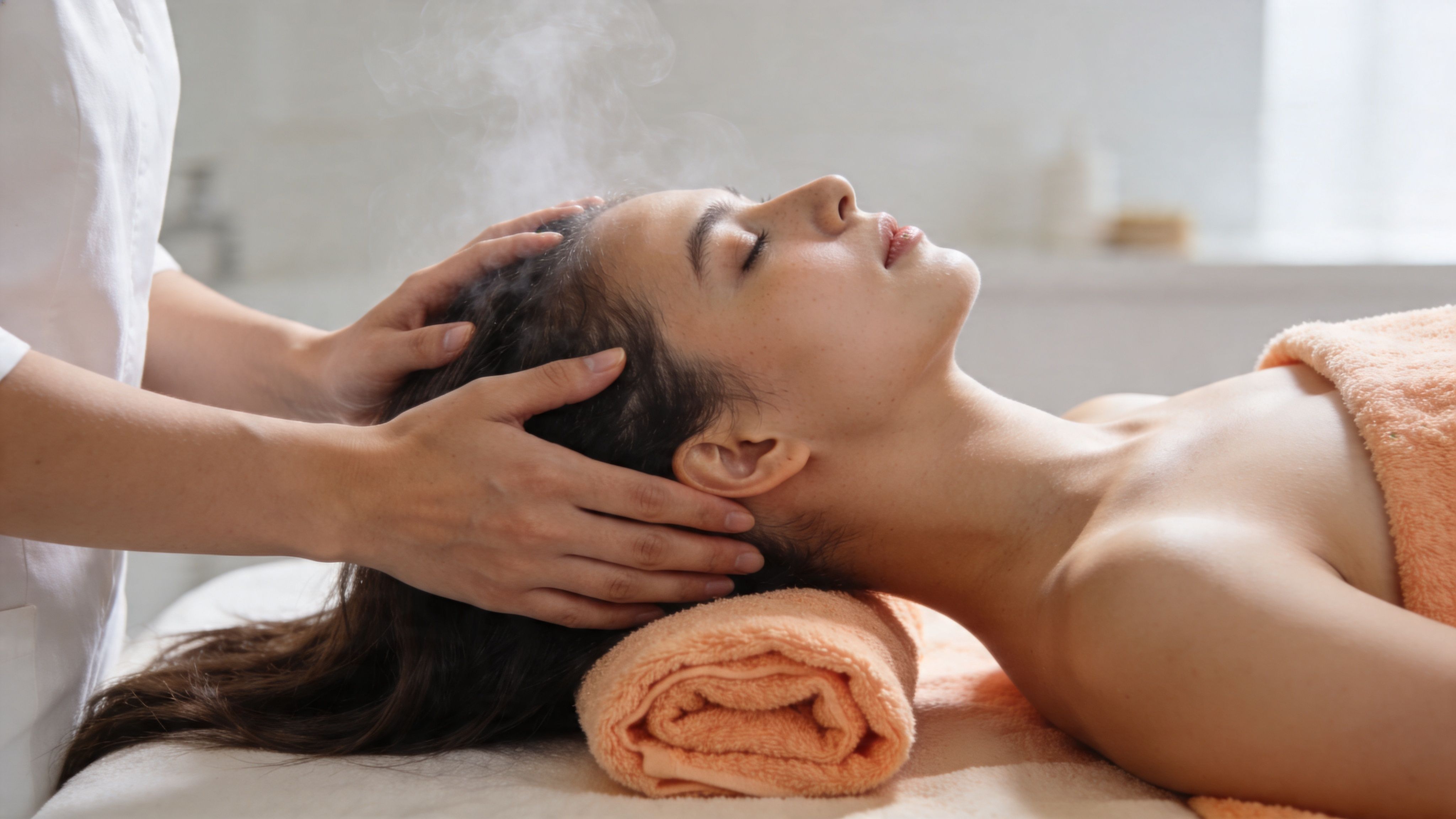
That’s where a professional reset becomes valuable. A therapeutic head spa session can address the issues home care often misses: persistent residue near the scalp, congestion from styling products, chronic tightness, and irritation that lingers even after changing shampoo.
Why professional scalp care changes the outcome
A skilled scalp therapist doesn’t just wash the hair. They evaluate the condition of the scalp, the type of buildup present, the level of sensitivity, and the kind of support your routine is missing.
That matters because dryness, residue, and reactivity can look similar to the untrained eye while needing very different treatment choices.
For people who feel stuck in a cycle of harsh cleansing and heavy compensation, a more intentional reset often starts with learning how to detox scalp in a way that restores balance instead of creating more stress.
A good reset leaves the scalp lighter, calmer, and better prepared to benefit from the right products at home. It turns ingredient awareness into visible, felt relief.
If your scalp feels dry, congested, reactive, or out of balance, book a restorative treatment with Unwind Head Spa. Located in Naples, Florida, Unwind Head Spa offers premium scalp therapies in a serene setting, using organic, luxurious formulas and personalized care to help you return to comfort, clarity, and healthier-looking hair.