↓ Scroll ↓
Mar 3, 2026
Discover 8 luxury self care tips for caregivers to prevent burnout and restore balance. From therapeutic head spas to boundary-setting, reclaim your well-being.
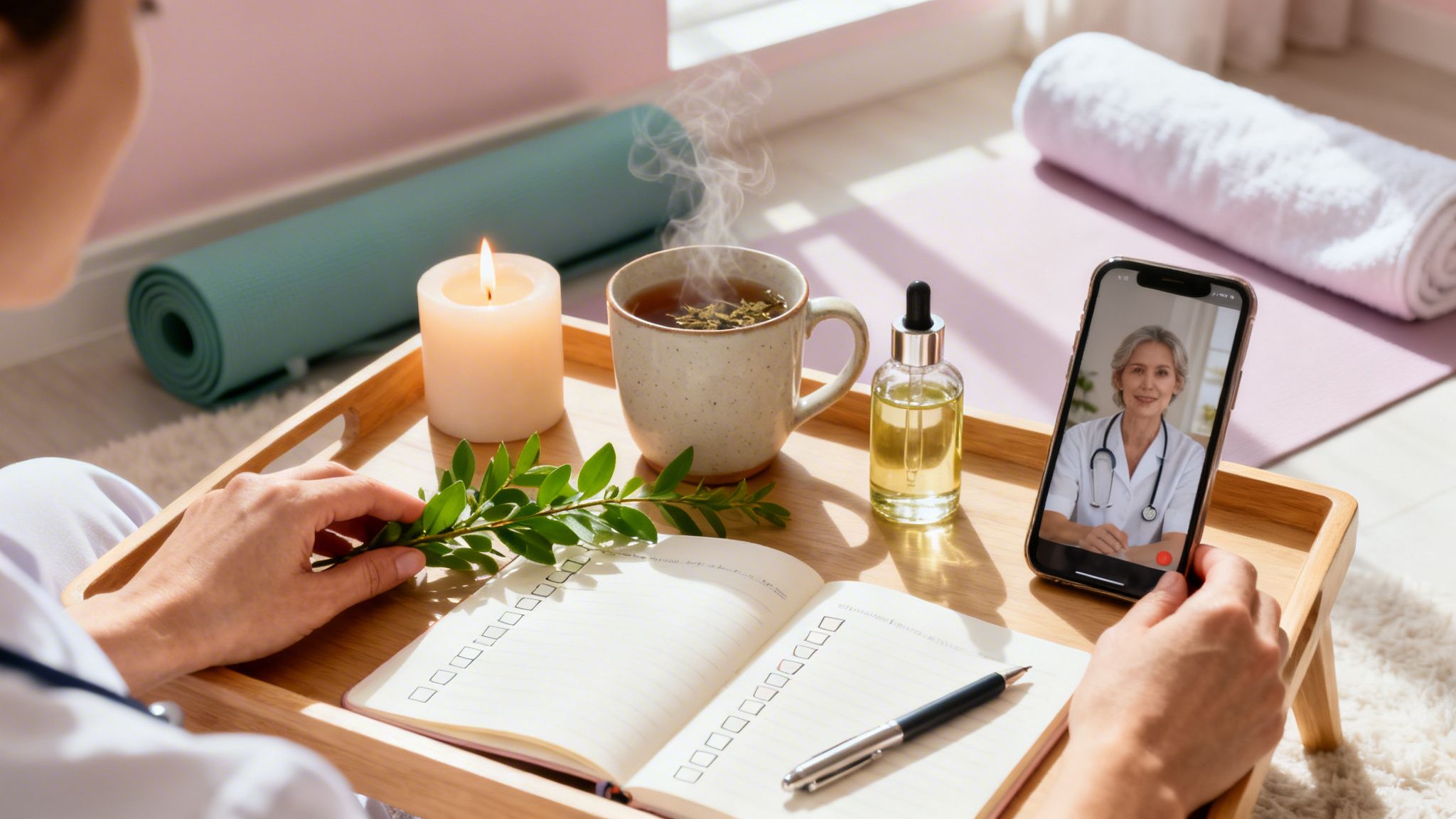
To give tirelessly is a profound act of love, yet it demands an equally profound commitment to self-preservation. For the modern caregiver, self-care is not an indulgence but a vital necessity—the very foundation of sustainable support. The constant emotional, mental, and physical output can lead to profound depletion, a state where compassion fatigue and burnout loom large. This is where true self-care intervenes, not as another item on your to-do list, but as a deliberate practice of restoration.
This guide moves beyond generic advice to offer a curated collection of luxurious, actionable self-care tips for caregivers. We will explore high-impact strategies designed to replenish your reserves. You will find everything from targeted therapeutic treatments that address the physical signs of stress to powerful mindset shifts that protect your inner peace.
Discover how to integrate restorative practices into your demanding schedule, turning self-care from a fleeting thought into a cornerstone of your caregiving journey. These methods are designed for real-world application, ensuring you can provide care from a place of fullness, not from an empty reserve. Prepare to elevate your approach to personal well-being.
1. Schedule Regular Head Spa and Scalp Treatments
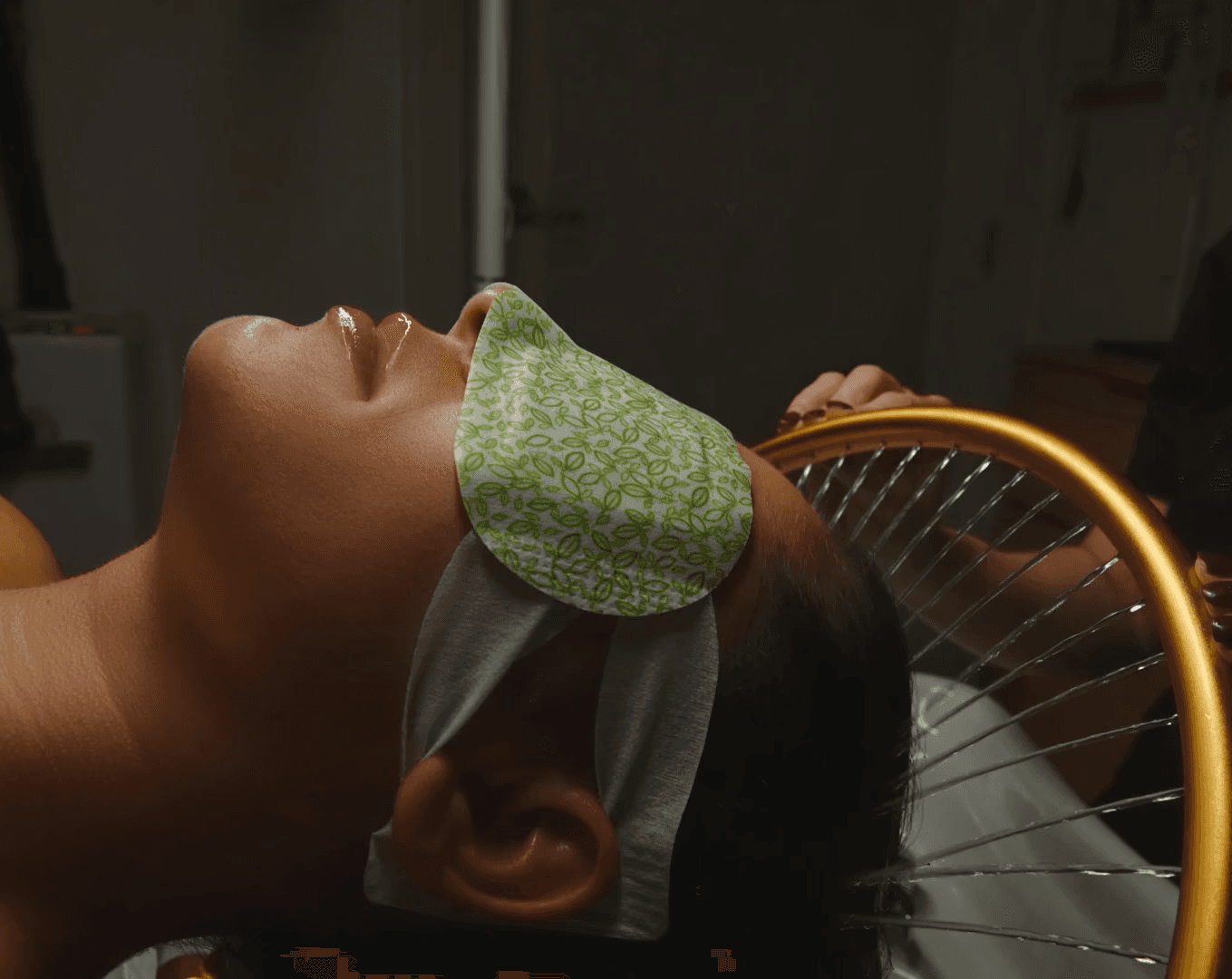
For caregivers, stress often manifests physically, creating persistent tension in the neck, shoulders, and even the scalp. A professional head spa treatment is a luxurious and targeted form of self-care designed to directly address these physical symptoms. More than just a simple hair wash, these therapeutic sessions combine ancient Japanese techniques with modern wellness practices, featuring precise scalp massage, deep cleansing rituals, and nourishing hair masks. This dedicated time allows for profound mental and physical restoration, making it an essential practice for anyone in a caregiving role.
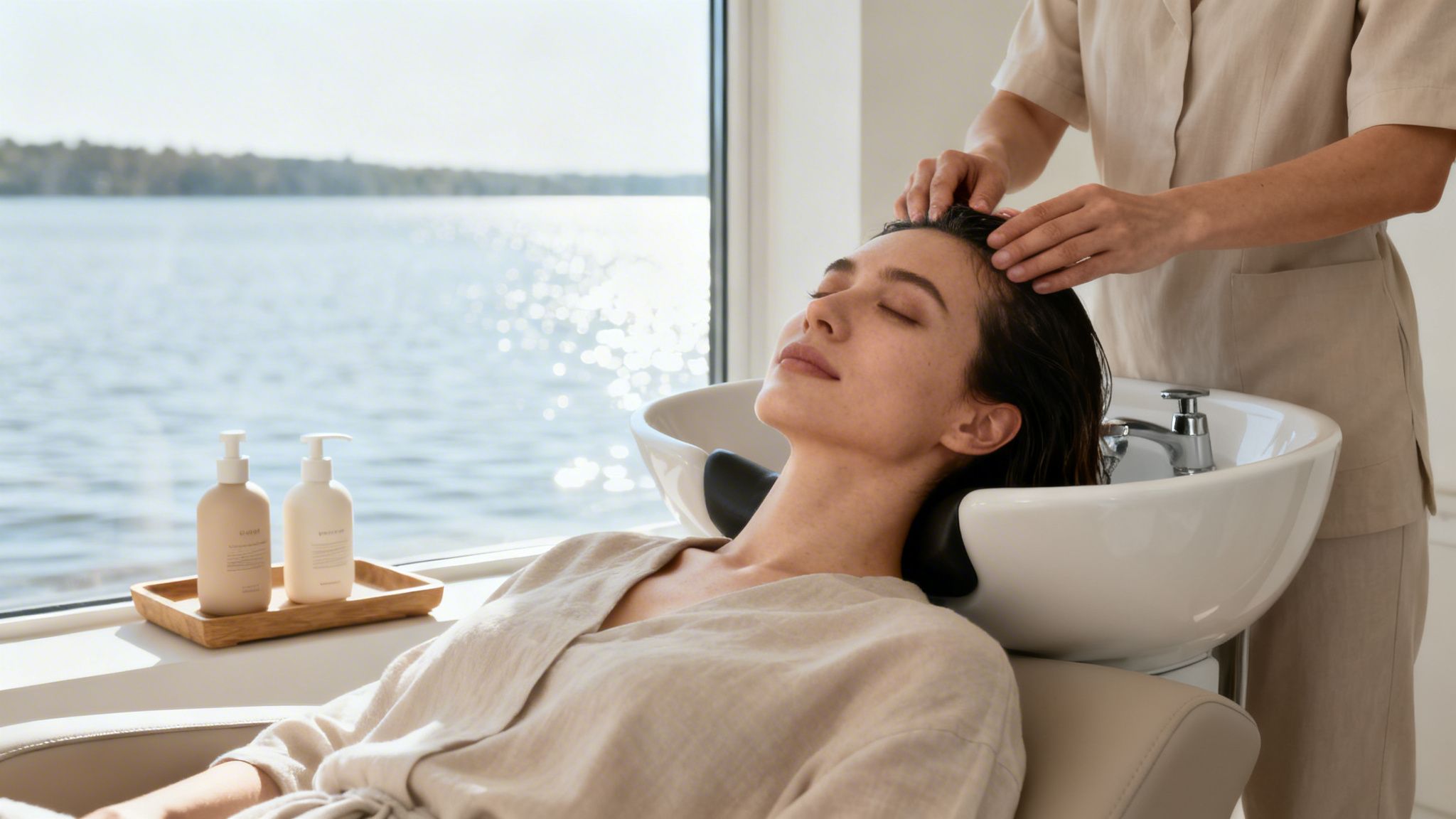
This method is particularly effective because it requires you to be completely present and disconnected from your duties, providing a true escape. As one of the most practical self care tips for caregivers, it offers a structured appointment that you are more likely to keep. The gentle, methodical massage techniques are specifically designed to release the tight muscles around the head and neck where caregivers commonly hold stress.
Why This Works for Caregivers
Caregiving is a demanding role that can lead to chronic stress and burnout. A head spa treatment offers a sanctuary where the focus is solely on your well-being.
Targeted Physical Relief: Directly soothes tension headaches, tight jaw muscles, and stiff shoulders.
Mental Decompression: The serene environment and sensory experience provide a powerful mental break, helping to quiet a racing mind.
Improved Scalp Health: Stress can negatively impact hair and scalp health. These treatments deep clean, exfoliate, and hydrate the scalp, promoting healthier hair growth.
At Unwind Head Spa, our practitioners are trained to identify and address specific points of tension in the scalp, neck, and shoulders. Many of our clients are caregivers who describe their monthly session as a non-negotiable part of their wellness routine.
How to Implement This Practice
Schedule in Advance: Book your sessions for the entire quarter to ensure you have dedicated self-care time on your calendar. Treat it like any other important appointment.
Create a Ritual: Arrive 10-15 minutes early to sit quietly and begin the process of unwinding. Use the commute to and from the spa as a technology-free transition period.
Communicate Your Needs: Inform your spa therapist about specific areas of discomfort or scalp concerns to customize your treatment for maximum benefit.
To discover more about how these treatments can specifically alleviate caregiver stress, you can explore the many benefits of a professional head spa.
2. Establish a Daily Scalp Care Routine at Home
For caregivers who can't always escape for a professional treatment, creating a consistent at-home scalp care ritual offers a daily moment of self-nurture. This practice transforms an ordinary hygiene routine into a mindful self-care session that supports both physical health and mental well-being. By dedicating just a few minutes each day to gentle cleansing, massage, and nourishment with quality products, you can actively reduce tension and create a brief but powerful restorative break.

This accessible routine is highly effective because it integrates into your existing schedule, making it one of the most sustainable self care tips for caregivers. A parent caregiver can incorporate a five-minute scalp massage into their morning shower, while someone caring for an elderly parent might use an evening scalp treatment as a clear transition from their duties to personal time. The sensory act of massage provides an immediate physical and mental reset.
Why This Works for Caregivers
The relentless nature of caregiving requires small, repeatable acts of restoration. A daily scalp care routine provides a structured and grounding moment that is entirely your own.
Reduces Daily Stress Accumulation: Gentle, circular massage helps release tension held in the scalp and neck before it becomes chronic.
Promotes Mental Clarity: Focusing on the physical sensation of the massage provides a mindful anchor, helping to quiet anxious thoughts and ground you in the present.
Accessible and Low-Cost: Unlike appointments, this practice can be done anytime, anywhere, with minimal investment, making it a reliable daily tool.
Integrating a deliberate scalp massage into your daily shower is a simple commitment that pays significant wellness dividends. It’s a foundational step our Unwind practitioners recommend to clients between their professional head spa sessions to maintain scalp health and manage daily stress.
How to Implement This Practice
Set a Consistent Time: Choose a specific time, like your morning shower or before bed, to build the habit.
Use Proper Technique: Apply shampoo or a scalp serum and use the pads of your fingertips to massage your entire scalp in small, circular motions for 2-3 minutes. Use warm, not hot, water.
Enhance the Experience: Pair your routine with aromatherapy by adding a few drops of lavender or peppermint essential oil to your shower floor, or play calming music to create a spa-like atmosphere.
For a visual guide on effective at-home scalp massage techniques, watch the video below.
3. Practice Mindful Breathing, Progressive Muscle Relaxation and Body Scans
Caregiving often means operating in a near-constant state of high alert, leaving the nervous system overtaxed. Portable practices like mindful breathing, progressive muscle relaxation (PMR), and guided body scans are powerful, immediate tools for stress reduction. These somatic techniques are designed to ground you in the present moment, build profound body awareness, and consciously release the chronic tension that accumulates in the jaw, shoulders, neck, and scalp. They can be used discreetly during moments of acute stress or as a daily ritual to build long-term resilience.
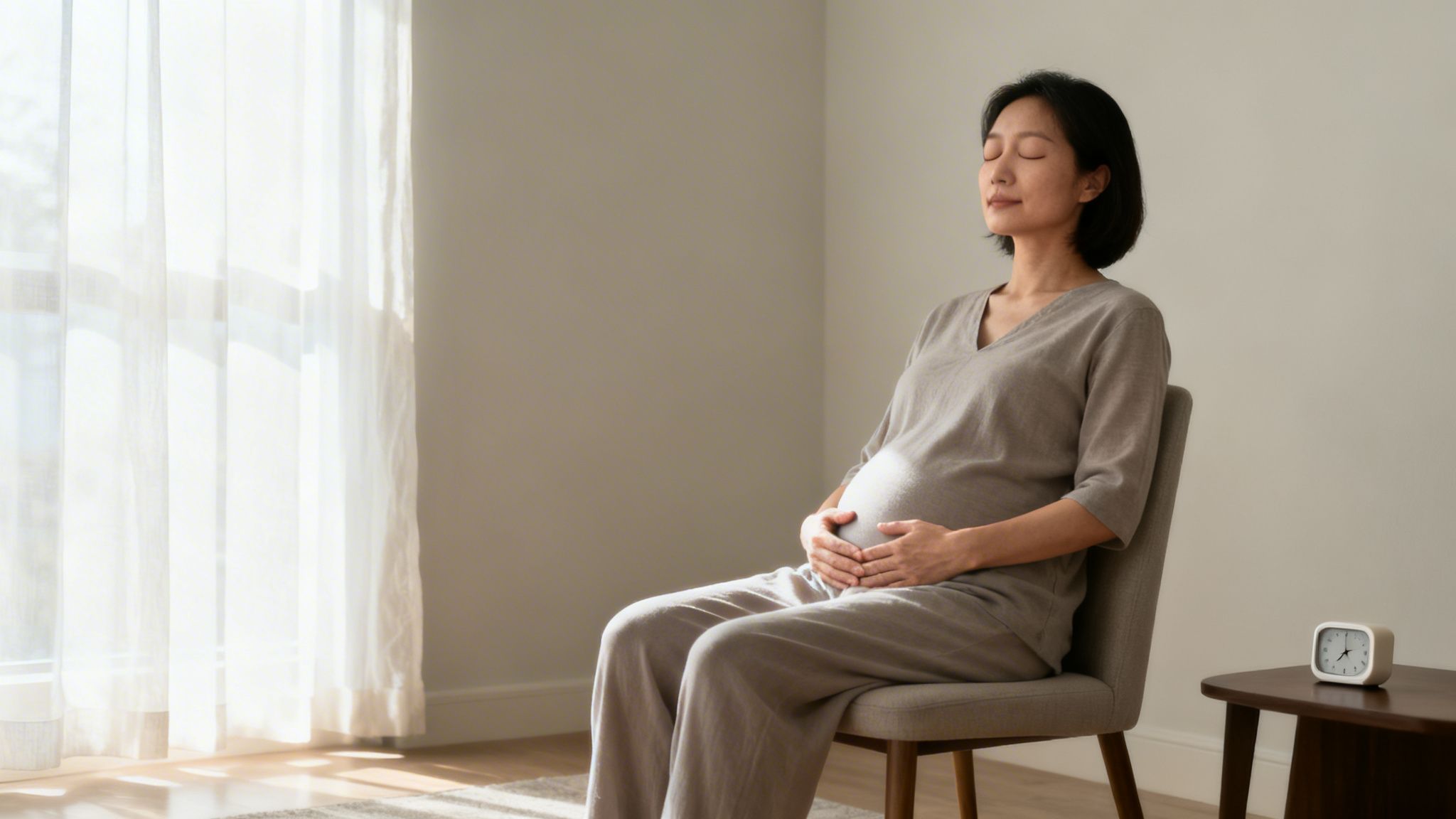
This approach is especially effective because it requires no special equipment and can be done anywhere, anytime. These techniques offer a direct line to your parasympathetic nervous system, responsible for rest and digestion. As one of the most accessible self care tips for caregivers, these methods provide an internal sanctuary you can access in seconds, whether you’re in a waiting room or taking a quick break between tasks. For example, a caregiver might take a three-minute breathing break in their car before a difficult doctor's appointment to center themselves.
Why This Works for Caregivers
The unrelenting demands of caregiving can disconnect you from your own physical and emotional needs. These practices help re-establish that vital connection, providing an anchor during overwhelming moments.
Immediate Stress De-escalation: Techniques like the 4-7-8 breath can quickly lower heart rate and blood pressure, offering instant calm during a crisis.
Releases Stored Physical Tension: PMR involves tensing and then relaxing muscle groups, teaching your body the difference between tension and release. This is perfect for caregivers who hold stress physically.
Builds Emotional Resilience: Regular practice helps you become less reactive to stressors by creating a buffer between an event and your response, allowing for more mindful actions.
These somatic practices are foundational for managing the nervous system. A caregiver who practices a 10-minute body scan after a challenging interaction is actively resetting their stress response, preventing the cumulative buildup that leads to burnout.
How to Implement This Practice
Start Simple with Breathing: Begin with the 4-7-8 technique: breathe in through your nose for 4 counts, hold your breath for 7 counts, and exhale completely through your mouth for 8 counts. Repeat 3-5 times.
Use Guided Resources: High-quality audio guides from apps like Insight Timer or Calm can make it easier to learn PMR and body scans.
Set Gentle Reminders: Use your phone to schedule brief "breathing breaks" during particularly demanding periods of your day.
Combine and Amplify: For an even deeper sense of release, pair these practices with physical self-care. The benefits of a professional head spa are greatly amplified when you are already in a relaxed, mindful state.
To find more ways to manage daily pressures, you can explore some of the best stress relief techniques that complement these somatic practices.
4. Set Boundaries and Protect Personal Time for Self-Care
For a caregiver, the most valuable resource is time, and without firm boundaries, it can be consumed entirely by the needs of others. Setting compassionate, clear boundaries is a foundational form of self-care. This means intentionally designating 'off-duty' hours, learning to say no to extra responsibilities, and arranging for respite care. This practice is not about selfishness; it's a strategic necessity that prevents burnout and ensures that your moments of self-care are genuinely restorative, not rushed or filled with guilt.
This method is essential because it creates the necessary space for all other self-care practices to exist. One of the most critical self care tips for caregivers is to understand that you cannot pour from an empty cup. By clearly defining and protecting your personal time, you give yourself permission to recharge fully, making you a more present and effective caregiver in the long run.
Why This Works for Caregivers
The constant demands of caregiving can blur the lines between your personal life and your duties, leading to exhaustion. Boundaries re-establish that crucial separation.
Prevents Burnout: Protecting your time and energy is the most direct way to combat the chronic stress that leads to caregiver burnout.
Enhances Care Quality: A well-rested, mentally clear caregiver provides better, more patient support. Your well-being directly impacts the well-being of the person you care for.
Reduces Guilt and Resentment: Scheduling personal time proactively, rather than grabbing it spontaneously, helps alleviate feelings of guilt and builds a sustainable caregiving routine.
By scheduling a non-negotiable wellness appointment, like a monthly session at Unwind Head Spa, you are sending a powerful message to yourself and others: your well-being is a priority. This is the cornerstone of effective stress management for caregivers.
How to Implement This Practice
Start Small: Commit to one protected block of time each week. For example, block out "Wellness Appointment" every other Saturday morning on the shared family calendar.
Use Clear Language: When declining a request that conflicts with your self-care time, be firm and direct. Instead of a vague excuse, say, "I have a personal wellness appointment at that time that I cannot move."
Schedule and Automate: Arrange for respite care or help from other family members well in advance. Having a consistent, scheduled backup makes it easier to keep your commitments to yourself. Put your phone on silent during this protected time.
To build a robust strategy against caregiver stress, it’s vital to protect your personal time. You can learn more techniques for stress management for caregivers and see how structured self-care can make a difference.
5. Maintain a Gratitude and Journaling Practice
Caregiving involves navigating a constant stream of complex emotions, responsibilities, and challenges. A gratitude and journaling practice offers a private, structured outlet to process these feelings, document small victories, and intentionally shift your perspective away from the brink of burnout. This simple yet profound act of writing builds resilience by creating a tangible record of positive moments and providing a safe space to work through the demanding realities of your role.
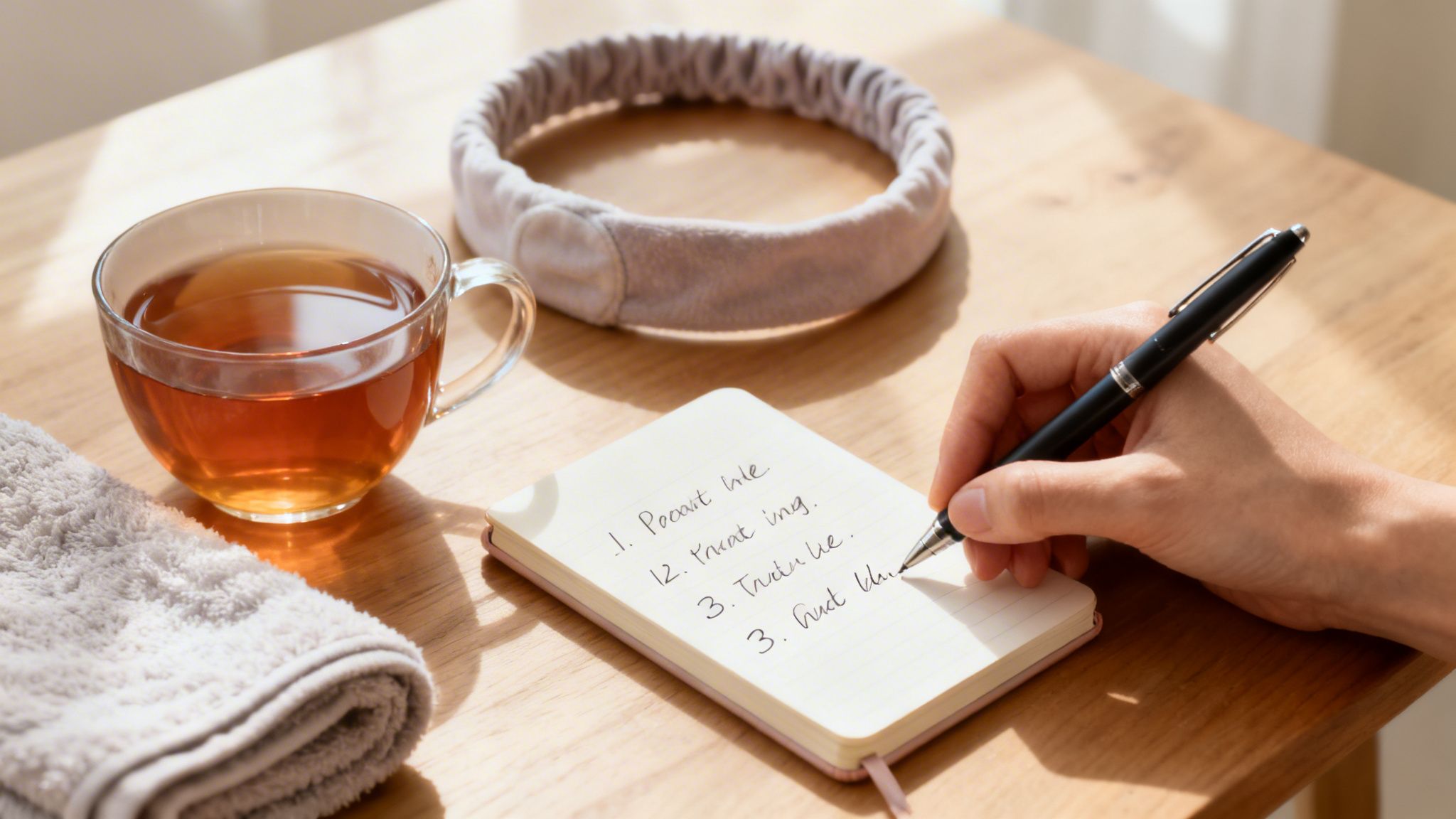
This method is highly effective as it requires minimal resources—just a pen and paper—yet delivers significant mental health benefits. As one of the most accessible self care tips for caregivers, it grounds you in the present moment and helps untangle the day's events. The practice, supported by researchers like Brené Brown and James Pennebaker, encourages you to acknowledge both difficulties and successes, fostering a more balanced emotional state.
Why This Works for Caregivers
The emotional weight of caregiving can feel isolating and overwhelming. Journaling provides a consistent, confidential companion for your thoughts, helping you make sense of your experience.
Emotional Processing: It offers a safe outlet to express frustration, grief, and anger without judgment, preventing these emotions from becoming internalized.
Perspective Shift: A gratitude practice actively trains your brain to notice positive moments, such as a shared laugh or a moment of peace, counteracting the natural focus on stress and hardship.
Track Progress and Wins: Documenting small successes, like a smoothly run appointment or a difficult conversation handled well, provides concrete evidence of your competence and resilience.
A consistent journaling habit is more than just writing; it's an act of bearing witness to your own life. For caregivers, it's a way to reclaim your narrative and find meaning even on the most challenging days, turning observation into a powerful form of self-compassion.
How to Implement This Practice
Start Small and Simple: Begin by listing just three things you are grateful for each day. Don't pressure yourself to write long entries; consistency is more important than length.
Keep It Accessible: Place your journal and a pen on your bedside table or next to your favorite chair. The easier it is to grab, the more likely you are to use it.
Document Your Self-Care: After a restorative treatment like a head spa session, journal about the experience. Note the physical relief in your scalp and shoulders and the mental clarity you feel. This reinforces the positive impact of your self-care choices.
Write Without Judgment: Allow yourself to write freely. This is a space for raw processing, not polished prose. Focus on capturing your thoughts and feelings as they are.
6. Prioritize Quality Sleep and Nighttime Restoration Rituals
For caregivers, restorative sleep is not a luxury; it is the fundamental pillar of resilience and well-being. Quality sleep underpins every aspect of your physical, emotional, and cognitive health, directly impacting your ability to provide compassionate care. Prioritizing consistent, high-quality sleep through intentional nighttime rituals and an optimized environment amplifies the benefits of all other self-care practices, ensuring you are replenished and prepared for each day’s demands.
This approach is one of the most effective self care tips for caregivers because it addresses the root cause of much of the mental fog, emotional exhaustion, and physical fatigue associated with the role. Creating a pre-sleep ritual signals to your brain and body that it's time to transition from a state of high alert to one of deep rest. It helps release the accumulated worries of the day, making it easier to fall asleep and stay asleep.
Why This Works for Caregivers
The constant "on-duty" nature of caregiving can disrupt the body's natural sleep-wake cycle, leading to chronic sleep debt and burnout. A dedicated sleep strategy restores this essential biological function.
Cognitive Restoration: Deep sleep is critical for memory consolidation and mental clarity, helping you manage complex care schedules and make sound decisions.
Emotional Regulation: Adequate rest helps regulate mood and reduce irritability, allowing for more patient and empathetic interactions.
Physical Recovery: Sleep allows your body to repair itself, reduce inflammation, and bolster your immune system, which is often compromised by stress.
Establishing a non-negotiable wind-down routine is the single most impactful change a caregiver can make. It’s an act of setting a firm boundary around your own health, which is essential for long-term sustainability in a caregiving role.
How to Implement This Practice
Create a Consistent Schedule: Go to bed and wake up within the same one-hour window every day, even on weekends, to regulate your body’s internal clock.
Design a 30-Minute Wind-Down Ritual: Eliminate screens and engage in calming activities like journaling, gentle stretching, or performing a brief, soothing scalp massage.
Optimize Your Sleep Environment: Keep your bedroom cool (around 65-68°F), completely dark with blackout curtains, and quiet. Use a white noise machine if your care environment is noisy.
Incorporate Professional Relaxation: An afternoon or evening head spa appointment can serve as a powerful transition into a state of deep relaxation, making it easier to fall asleep later.
7. Build a Supportive Caregiver Community and Peer Connection
Caregiving can feel isolating, but building connections with others who share your experience provides essential validation, emotional support, and practical wisdom. A supportive community, whether through in-person groups, online forums, or friendships with fellow caregivers, counteracts feelings of loneliness. These peer connections normalize the challenges you face and reinforce that self-care is a necessary tool for survival, not a luxury.
This practice is powerful because it creates a space where you don't have to explain the emotional and physical weight of your role. As one of the most crucial self care tips for caregivers, connecting with peers offers a lifeline of shared understanding. You can find everything from tips for managing a specific condition to recommendations for restorative self-care practices, like a therapeutic head spa treatment.
Why This Works for Caregivers
The relentless demands of caregiving often leave little room for social connection, yet it is a fundamental human need. Building a community directly addresses this deficit.
Reduces Isolation: Knowing you are not alone in your struggles is incredibly validating and helps diminish feelings of loneliness and burnout.
Practical Advice: Peers can offer tried-and-true solutions for daily challenges, from navigating healthcare systems to finding time for personal wellness.
Emotional Validation: A community of caregivers offers a judgment-free zone to express frustration, grief, and joy with people who truly understand.
Sharing self-care victories within a support network can be incredibly motivating. When a member of an online caregiver forum mentioned her regular Unwind Head Spa appointment, it encouraged three others to book their own sessions as a necessary escape.
How to Implement This Practice
Find Your Fit: Search for groups specific to your situation (e.g., Alzheimer's support, adult child caregivers). Try a few before committing to find one that aligns with your personality.
Start by Listening: If you feel vulnerable, simply attend and listen. You can contribute when you feel comfortable, building trust and connection over time.
Combine Community and Self-Care: Suggest a shared wellness activity, like inviting another caregiver to join you for a head spa treatment, blending social connection with restorative care.
Be Consistent: Even monthly participation in a group helps build genuine, lasting bonds and creates a reliable support system.
Organizations like the Caregiver Action Network and local chapters of the Alzheimer's Association are excellent starting points for finding a community.
8. Invest in Professional Mental Health and Therapeutic Support
While physical relaxation is vital, addressing the deep emotional and psychological weight of caregiving requires specialized support. Investing in professional mental health services like therapy or counseling is not a sign of weakness but a powerful act of self-preservation. It provides a confidential, structured space to process complex feelings such as grief, resentment, and anxiety, which are common yet often unspoken in caregiving roles. This dedicated support equips you with resilience and coping strategies, making it a cornerstone of a sustainable self-care plan.
This practice is one of the most effective self care tips for caregivers because it provides tools to manage the mental load that physical self-care alone cannot resolve. A therapist offers an objective perspective, helping you set healthy boundaries, navigate difficult family dynamics, and prevent burnout. This professional guidance creates a foundation of mental wellness that amplifies the benefits of other restorative practices, like a tranquil head spa session.
Why This Works for Caregivers
The constant demands and emotional output of caregiving can deplete your mental reserves, making professional support essential for long-term well-being. Therapy offers a dedicated time and space where your needs are the sole focus.
Develops Coping Mechanisms: Learn specific techniques to manage stress, anxiety, and feelings of being overwhelmed.
Provides a Confidential Outlet: Safely express frustrations and difficult emotions without fear of judgment or burdening others.
Strengthens Boundaries: A therapist can help you build the skills to say "no" and protect your time and energy, preventing burnout.
Seeking therapy is a proactive strategy for mental maintenance. For caregivers, it's like having a personal coach for your emotional health, providing the expert guidance needed to sustain your ability to care for others without losing yourself.
How to Implement This Practice
Consult Your Resources: Start by asking your primary care doctor for referrals or checking your employer's Employee Assistance Program (EAP) for free or low-cost sessions.
Find the Right Fit: Use online directories like Psychology Today to find therapists who specialize in caregiver stress. Interview two or three candidates to ensure a good personal connection.
Combine with Physical Care: Pair your weekly or bi-weekly therapy sessions with a monthly physical indulgence, such as a treatment at Unwind Head Spa, to create a complete mind-body wellness routine.
Know Your Crisis Options: If you are experiencing dark thoughts, immediately contact the 988 Suicide & Crisis Lifeline for urgent support.
8 Caregiver Self-Care Tips Comparison
Self-Care Option | Implementation Complexity 🔄 | Resource Requirements ⚡ | Expected Outcomes ⭐📊 | Ideal Use Cases 💡 | Key Advantages ⭐ |
|---|---|---|---|---|---|
Schedule Regular Head Spa and Scalp Treatments | Moderate 🔄 — requires booking and travel | High ⚡ — session cost, 60–90 min commitment | ⭐⭐⭐⭐ 📊 Deep tension release, improved scalp health | Caregivers who can allocate time and budget for monthly/quarterly resets | Professional techniques, personalized care |
Establish a Daily Scalp Care Routine at Home | Low 🔄 — simple repeatable steps | Low–Medium ⚡ — quality products, 5–10 min daily | ⭐⭐⭐ 📊 Gradual scalp improvements, daily mindfulness | Busy caregivers needing short daily rituals | Affordable, convenient, habit-forming |
Practice Mindful Breathing, PMR and Body Scans | Low–Moderate 🔄 — practice needed for effectiveness | Minimal ⚡ — 2–20 min, apps optional | ⭐⭐⭐⭐ 📊 Immediate stress relief; builds resilience over time | Acute stress moments and portable self-care breaks | Free, portable, fast-acting |
Set Boundaries and Protect Personal Time | High 🔄 — requires negotiation and reinforcement | Variable ⚡ — time, possible respite costs | ⭐⭐⭐⭐ 📊 Prevents burnout; enables restorative practices | Caregivers facing chronic overload or family resistance | Preventative, sustains long-term caregiving |
Maintain a Gratitude and Journaling Practice | Low 🔄 — brief daily habit | Minimal ⚡ — 5–10 min, notebook or app | ⭐⭐⭐ 📊 Enhances perspective, processes emotions | Caregivers who benefit from reflection or tracking progress | Accessible, documents progress and wins |
Prioritize Quality Sleep and Nighttime Rituals | Moderate 🔄 — habit and environment changes | Low–Medium ⚡ — environment tweaks, consistent routine | ⭐⭐⭐⭐ 📊 Foundational health gains; boosts other practices | Caregivers with sleep disruption or high reactivity | Multiplies effectiveness of other self-care |
Build a Supportive Caregiver Community and Peer Connection | Moderate 🔄 — time to find and engage groups | Low ⚡ — time, internet or local travel | ⭐⭐⭐⭐ 📊 Reduces isolation; provides practical support | Isolated caregivers needing validation and tips | Emotional validation, resource sharing, accountability |
Invest in Professional Mental Health and Therapeutic Support | Moderate–High 🔄 — finding provider and committing to sessions | High ⚡ — time, possible cost or insurance navigation | ⭐⭐⭐⭐⭐ 📊 Treats clinical issues; long-term resilience | Caregivers with clinical symptoms or complex dynamics | Evidence-based, personalized interventions |
Embracing a Future of Sustainable, Luxurious Self-Care
The journey of a caregiver is defined by profound compassion and dedication, but it does not have to be a journey of self-neglect. The list of self care tips for caregivers we have explored is more than just a collection of suggestions; it is a blueprint for building a life where your own well-being is a non-negotiable priority. By weaving these practices into your daily and weekly routines, you create a powerful buffer against the persistent stress and exhaustion that so often accompany a caregiving role.
Viewing self-care through a lens of luxury and necessity, rather than indulgence, is the key to sustainability. It reframes the five-minute scalp massage, the quiet journaling session, or the professional therapy appointment as essential acts of maintenance for your most valuable asset: you. Each practice contributes to a foundation of resilience, allowing you to give from a place of fullness instead of depletion.
Key Takeaways for Lasting Resilience
Recalling the core strategies from this guide, your path forward is built on small, consistent actions that yield significant results.
Integrate Rituals: From daily scalp care to weekly gratitude reflections, these rituals are your personal anchors. They ground you in the present moment and provide predictable pockets of peace in an often-unpredictable schedule.
Protect Your Energy: Setting firm boundaries is not selfish; it is a critical survival skill for caregivers. Protecting your personal time ensures you have the mental and emotional space to recharge, making the care you provide more focused and patient.
Seek External Support: You are not meant to do this alone. Building a community of peers, engaging a professional therapist, or scheduling a deeply restorative treatment at a head spa are all vital forms of support. These external resources validate your experience and provide specialized care that friends and family cannot always offer.
Mastering these self care tips for caregivers is an investment in your longevity, both in your role and in your personal life. It's about recognizing that your capacity to care for another is directly linked to how well you care for yourself. This is not a one-time fix but a continuous, beautiful practice of self-prioritization. You are worthy of the same gentle, attentive care you so generously give to others. Begin today, with one small, luxurious act dedicated entirely to your own replenishment.
Ready to experience the pinnacle of relaxation and make it a cornerstone of your wellness routine? Book your deeply restorative scalp treatment at Unwind Head Spa in Naples and discover how targeted, therapeutic care can soothe your mind and revitalize your spirit. Visit us at Unwind Head Spa to begin your journey toward sustainable self-care.